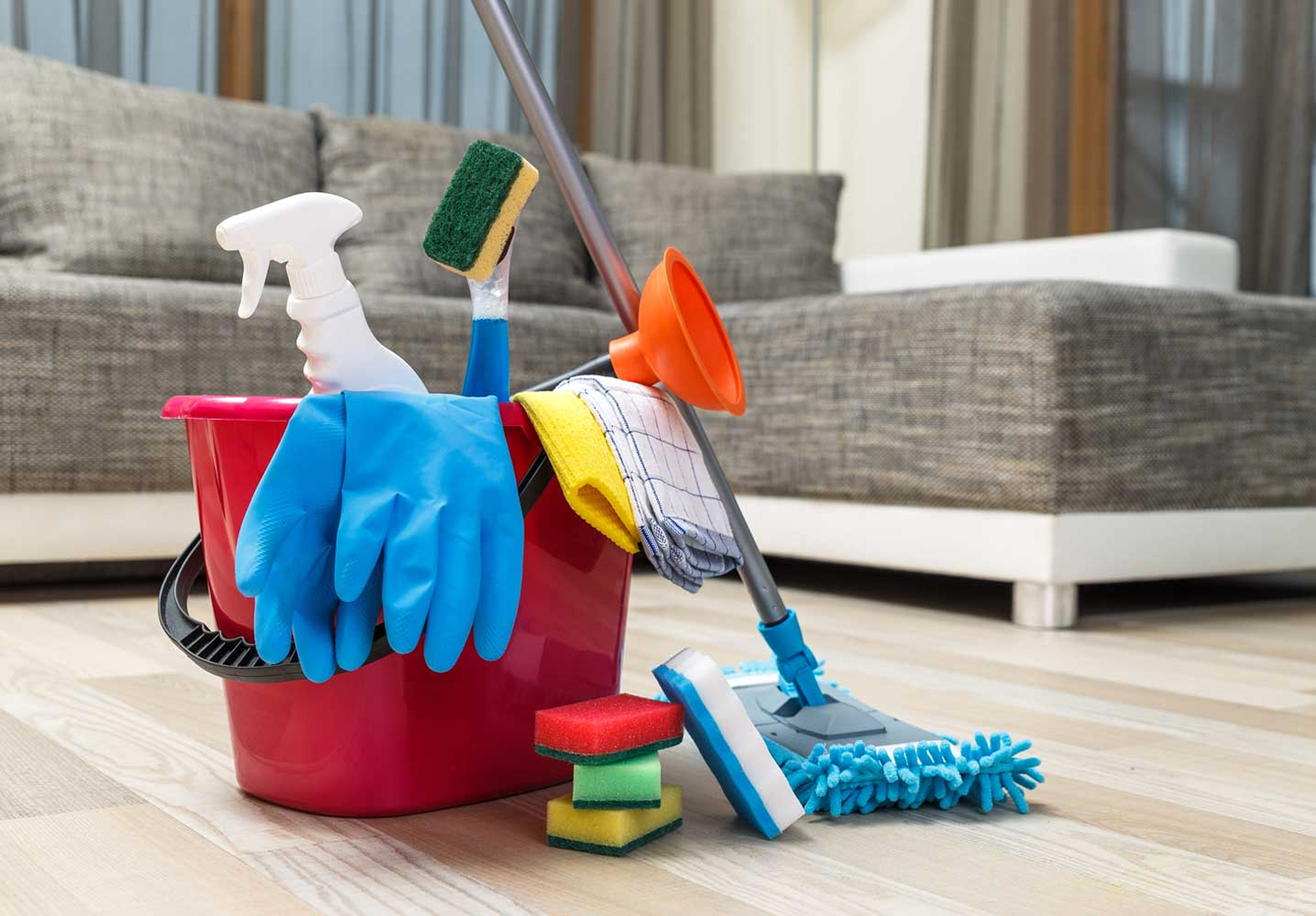
Create a Weekly Cleaning Routine
Instead of cleaning the entire house in one day, spread tasks across the week.
Advertisement
For example:
Monday
- Vacuum living areas.
Tuesday
- Clean bathrooms.
Wednesday
- Dust furniture.
Thursday
- Change bed linen.
Friday
- Mop floors.
Saturday
- Water houseplants and organise paperwork.
Sunday
- Relax or complete any unfinished tasks.
Breaking cleaning into smaller sessions makes each task feel much more manageable.
Deal with Laundry Regularly
Laundry often becomes one of the biggest household chores simply because it accumulates quickly.
Rather than allowing several loads to pile up, try washing smaller loads throughout the week.
Folding clothes soon after drying also prevents clean laundry from sitting in baskets for days.
Consider keeping separate baskets for whites, colours, and towels to save sorting time later.
A consistent routine usually requires less effort than tackling everything at once.
Involve Everyone in the Household
If you share your home with family members or housemates, organisation works best when everyone contributes.
Simple responsibilities can include:
- Making beds each morning.
- Putting dishes into the dishwasher.
- Taking out rubbish.
- Returning personal belongings to their rooms.
- Wiping kitchen surfaces after meals.
Sharing household tasks fairly reduces the workload for everyone and encourages good habits.
Even young children can participate by putting toys away or helping organise books.
Declutter Little and Often
Decluttering does not need to become a major project.
Instead of waiting until cupboards are overflowing, spend a few minutes each week reviewing one small area.
Examples include:
- A kitchen drawer.
- A bathroom cabinet.
- A wardrobe shelf.
- A bedside table.
- A storage cupboard.
Removing items you no longer use creates more space and makes everyday cleaning faster.
Many people find it helpful to donate usable items to local charities across the UK rather than throwing them away.
Don’t Aim for Perfection
A perfectly spotless home every single day is unrealistic for most people.
Children play, pets shed fur, visitors arrive unexpectedly, and everyday life naturally creates some level of mess.
Instead of chasing perfection, focus on maintaining a home that feels comfortable, functional, and welcoming.
Small imperfections are completely normal and should not become a source of unnecessary stress.
An organised home is one that supports your daily life—not one that constantly demands your attention.
Build Habits That Last
The secret to an organised home is consistency rather than intensity.
Cleaning for several hours once a month often feels exhausting and rarely provides long-lasting results. In contrast, spending just a few minutes each day putting things away, wiping surfaces, and completing small tasks keeps clutter under control with much less effort.
Choose habits that fit naturally into your lifestyle. Perhaps you tidy the living room before bed, unload the dishwasher while breakfast is cooking, or sort the post as soon as you come home. These simple routines soon become automatic.
Over time, maintaining an organised home requires less effort because your daily habits prevent mess from building up in the first place. A tidy environment can make everyday life feel calmer, save time searching for misplaced items, and create a space where you can truly relax after a busy day.