
Home Health & Wellbeing
Category:

Health & Wellbeing

Advertisement

Building healthy habits is often associated with making major lifestyle changes, strict schedules, or ambitious fitness goals. In reality, lasting routines are usually created through small, consistent actions repeated over time. Simple adjustments to everyday life can gradually become automatic behaviours, making it easier to maintain a healthy lifestyle without feeling overwhelmed.

Across the United Kingdom, many people are looking for practical ways to improve their wellbeing while balancing work, family responsibilities, and busy schedules. Fortunately, healthy routines do not require expensive equipment or dramatic changes. Small daily habits can support physical health, mental wellbeing, and overall quality of life when practised consistently.

Why Small Changes Are More Sustainable

Many people begin new routines with enthusiasm but lose motivation when goals are too demanding. Large lifestyle changes often require significant time, energy, and willpower, making them difficult to maintain over the long term.

Smaller habits are easier to repeat because they fit naturally into existing routines. As these behaviours become familiar, they require less conscious effort and gradually become part of everyday life.

Examples include drinking an extra glass of water each morning, walking for ten minutes after lunch, or preparing a healthy breakfast instead of skipping the first meal of the day. Although these actions may seem minor individually, their cumulative effect over weeks and months can be meaningful.

Start the Day with a Nutritious Breakfast

Beginning the morning with a balanced breakfast helps replenish energy after an overnight fast and provides nutrients needed for daily activities.

A simple breakfast might include:

  • Porridge with berries
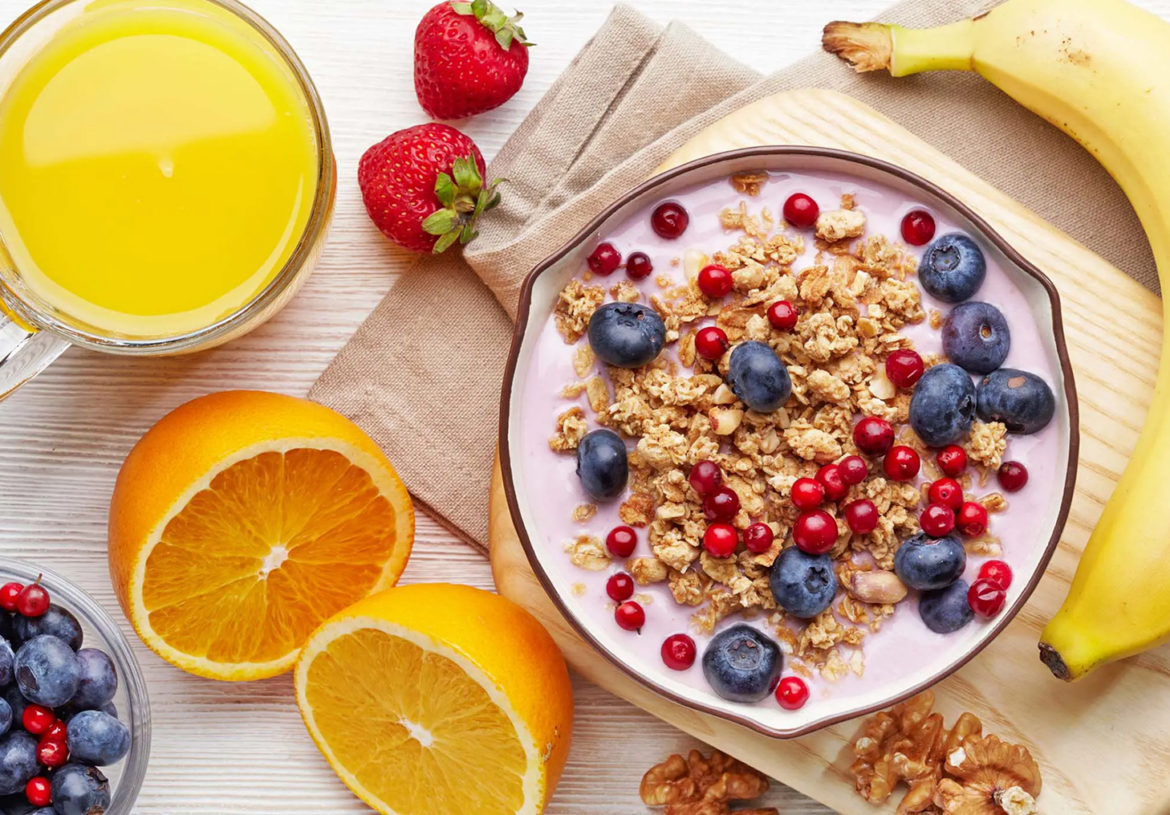
  • Greek yogurt with fruit and nuts
  • Wholegrain toast with eggs
  • Cottage cheese and fresh fruit
  • Overnight oats

Choosing meals that include protein, fibre, and complex carbohydrates may help maintain steady energy levels throughout the morning.

Preparing breakfast ingredients the evening before can make healthy choices easier during busy mornings.

Drink More Water Throughout the Day

Staying hydrated is one of the simplest daily habits to improve overall wellbeing.

Many people mistakenly wait until they feel thirsty before drinking water. Keeping a reusable water bottle nearby serves as a useful reminder to drink regularly.

Simple strategies include:

  • Drinking a glass of water after waking up
  • Carrying a bottle while travelling
  • Drinking water with every meal
  • Choosing water instead of sugary soft drinks
  • Flavouring water with lemon, cucumber, or fresh mint

Maintaining adequate hydration supports normal bodily functions and becomes easier when incorporated into everyday routines.

Include More Fruit and Vegetables

Adding one extra portion of fruit or vegetables each day is an achievable goal for most people.

Fresh produce provides important vitamins, minerals, fibre, and naturally occurring plant compounds that contribute to a balanced diet.

Easy additions include:

  • Berries with breakfast
  • An apple as a snack
  • Salad with lunch
  • Steamed vegetables at dinner
  • Fruit in smoothies

Rather than focusing on eliminating foods, many people find it more practical to concentrate on increasing nutritious options.

Take Short Walking Breaks

Modern lifestyles often involve long periods of sitting, particularly during office work or studying.

Short walks throughout the day encourage movement without requiring lengthy exercise sessions.

Walking for ten to fifteen minutes can easily fit into daily routines by:

  • Walking during lunch breaks
  • Taking the stairs instead of lifts
  • Parking slightly farther away
  • Walking to nearby shops
  • Enjoying an evening stroll after dinner

These small periods of activity gradually contribute to a more active lifestyle.

Prepare Meals in Advance

One of the most effective ways to support healthy eating is planning ahead.

Preparing ingredients or complete meals before busy weekdays reduces reliance on convenience foods.

Helpful meal preparation habits include:

  • Cooking extra portions for leftovers
  • Washing vegetables immediately after shopping
  • Boiling eggs in advance
  • Preparing overnight oats
  • Portioning healthy snacks
  • Freezing homemade soups

Meal preparation saves time while making balanced choices more convenient.

Improve Sleep Habits

Quality sleep is an essential part of overall health, yet it is often overlooked.

Developing consistent evening routines may help prepare both body and mind for rest.

Useful habits include:

  • Going to bed at similar times each night
  • Reducing screen use before bedtime
  • Keeping the bedroom comfortable and quiet
  • Avoiding heavy meals immediately before sleeping
  • Reading instead of scrolling through devices

Even small improvements in sleep routines can positively influence energy levels during the day.

Spend Time Outdoors

Fresh air and natural surroundings can become an important part of a healthy routine.

Even brief periods outside may provide opportunities to relax, move, and enjoy daylight.

Simple ideas include:

  • Morning walks
  • Lunch in a local park
  • Gardening
  • Weekend nature visits
  • Walking instead of driving for short journeys

Spending time outdoors also encourages physical activity while providing a welcome break from indoor environments.

Reduce Highly Processed Snacks

Rather than completely avoiding favourite foods, replacing some processed snacks with more nutritious alternatives can become a realistic long-term habit.

Healthier snack ideas include:

  • Fresh fruit
  • Greek yogurt
  • Unsalted nuts
  • Vegetable sticks with hummus
  • Cottage cheese
  • Wholegrain crackers

Keeping healthier options visible at home or work makes them easier to choose when hunger appears.

Pages: 1 2

Advertisement

A good night’s sleep is essential for overall health and well-being. It helps the body recover, supports concentration, influences mood, and plays an important role in daily energy levels. While many factors affect sleep quality—including stress, physical activity, screen use, and sleeping environment—diet can also be part of the picture.

No single food can guarantee perfect sleep, and food should not be viewed as a treatment for sleep disorders. However, certain foods contain nutrients that may support normal sleep patterns as part of a balanced lifestyle. Making thoughtful choices throughout the day and especially in the evening may help create conditions that are more favourable for restful sleep.

Below are several foods commonly associated with healthy sleep habits and practical ways to include them in your daily routine.


Oats: A Comforting Evening Option

Oats are a popular breakfast food across the UK, but they can also be enjoyed later in the day.

They contain complex carbohydrates that provide a steady release of energy rather than a rapid spike and crash. Oats also contain small amounts of nutrients involved in normal bodily functions, including magnesium.

A warm bowl of porridge in the evening can feel comforting and satisfying without being overly heavy. For additional flavour, consider adding sliced banana, berries, or a small amount of cinnamon.

Choosing simple preparations without excessive sugar may be a better option before bedtime.


Bananas: Convenient and Nutritious

Bananas are one of the easiest snacks to keep at home, in the office, or while travelling.

They provide carbohydrates and contain minerals such as potassium and magnesium. These nutrients contribute to normal muscle function and are part of a balanced diet.

A banana can be enjoyed on its own or combined with other foods such as yogurt or oats for a more filling evening snack.

Because bananas require no preparation, they are a practical choice for busy schedules.


Dairy Products and Evening Snacks

Milk, yogurt, and other dairy products are often associated with bedtime routines.

Many people find a small serving of natural yogurt or a warm glass of milk comforting in the evening. Dairy products provide protein and several essential nutrients that support overall health.

Greek yogurt paired with fruit or a small portion of oats can create a balanced snack that helps satisfy hunger before bed without feeling too heavy.

Choosing plain varieties with lower amounts of added sugar may be beneficial for those trying to maintain a balanced diet.


Nuts and Seeds

Nuts and seeds are nutrient-dense foods that can be enjoyed as part of a healthy evening snack.

Examples include:

  • Almonds
  • Walnuts
  • Pumpkin seeds
  • Sunflower seeds
  • Pistachios

These foods provide healthy fats, protein, fibre, and various vitamins and minerals. Because they are filling, a small handful is often enough to satisfy hunger.

Portion size is important, however, as nuts are naturally energy-dense. A moderate serving is usually sufficient.

Combining nuts with fruit can create a simple and balanced snack option.


Kiwi Fruit

Kiwi fruit has gained attention in discussions about sleep-friendly foods.

In addition to being rich in vitamin C and fibre, kiwis are refreshing, easy to prepare, and naturally sweet. They make an excellent alternative to highly processed desserts.

Adding kiwi to fruit salads or enjoying one or two fruits in the evening can be a simple way to increase fruit intake while enjoying a light snack.

Their bright flavour also makes them appealing year-round.

Pages: 1 2

Advertisement

Stress is a normal part of life. Deadlines at work, family responsibilities, commuting, financial concerns, and unexpected challenges can all contribute to feeling under pressure. While it is impossible to remove every source of stress, small daily habits can make it easier to manage and help you feel more balanced.

Many people assume that reducing stress requires major lifestyle changes, but simple adjustments to your daily routine often have a meaningful impact. The goal is not to eliminate every challenge but to create healthy habits that allow you to respond more calmly when difficulties arise.

Below are practical strategies that can fit into everyday life, whether you work from home, commute across the UK, or manage a busy household.


Start Your Day Without Rushing

The first hour of the day often influences how the rest of it feels.

Waking up just fifteen or twenty minutes earlier than usual can give you enough time to prepare without constantly watching the clock. Instead of immediately checking emails or social media, spend a few quiet moments getting ready, enjoying breakfast, or planning your priorities.

A calmer start reduces the feeling of rushing from one task to another and helps you approach the day with greater focus.

Preparing clothes, lunches, or work materials the evening before can also make mornings less hectic.


Focus on One Task at a Time

Modern life encourages multitasking, but constantly switching between activities can make people feel mentally exhausted.

Instead of trying to answer emails while attending meetings and checking messages simultaneously, complete one task before moving to the next whenever possible.

Working with full attention often improves efficiency and reduces the mental effort required to constantly change focus.

Breaking larger projects into smaller, manageable steps can also make challenging work feel less overwhelming.


Take Regular Short Breaks

Many people believe that working continuously leads to greater productivity. In reality, long periods without breaks can reduce concentration and increase fatigue.

Standing up every hour, stretching for a few minutes, or walking around the office can refresh both your body and mind.

If you work from home, stepping outside for five or ten minutes can provide a welcome change of scenery.

Short breaks are not wasted time—they often help maintain productivity throughout the day.


Spend Time Outdoors

Fresh air and natural surroundings can provide a welcome break from busy environments.

Across the UK, parks, riverside paths, gardens, and local green spaces offer opportunities to enjoy a short walk before work, during lunch, or in the evening.

Even fifteen minutes outdoors may help you step away from screens, slow your thoughts, and enjoy a quieter environment.

You don’t need to plan a long hike. A brief walk around your neighbourhood can be enough to change your perspective after a demanding day.


Stay Physically Active

Regular movement supports both physical and mental well-being.

Exercise does not have to involve intense gym sessions. Walking, cycling, swimming, yoga, gardening, or dancing at home all count as physical activity.

Choose activities you genuinely enjoy rather than forcing yourself into routines that feel like a chore.

Consistency is often more valuable than intensity. Even twenty to thirty minutes of movement most days of the week can become an important part of a balanced lifestyle.


Limit Information Overload

News updates, social media, emails, and constant notifications compete for our attention throughout the day.

While staying informed is important, continuously consuming information can sometimes increase feelings of stress.

Consider setting specific times to check the news or social media instead of scrolling whenever your phone vibrates.

Turning off unnecessary notifications can also reduce interruptions and help you focus on what truly matters.

Creating short periods without digital distractions allows your mind to rest.

Pages: 1 2

Advertisement

Staying hydrated is one of the simplest ways to support your overall well-being, yet it is often overlooked during busy days. Whether you’re working in an office, studying, commuting, or managing family responsibilities, it can be surprisingly easy to forget to drink enough water. By the time you feel thirsty, your body may already need more fluids.

Good hydration supports many normal body functions, including temperature regulation, digestion, circulation, and cognitive performance. While individual fluid needs vary depending on age, activity level, weather, and health, developing a few practical habits can help you drink enough throughout the day without making it feel like another task on your to-do list.


Start Your Morning with Water

One of the easiest ways to build a hydration habit is to begin your day with a glass of water shortly after waking up.

During the night, your body naturally loses fluids through breathing and perspiration. Drinking water first thing in the morning helps replace some of those fluids and prepares your body for the day ahead.

Many people automatically reach for tea or coffee. While these beverages can contribute to your daily fluid intake, starting with plain water first helps establish a simple routine that is easy to maintain.

Keeping a glass or reusable bottle near your bedside can make this habit effortless.


Carry a Reusable Water Bottle

Having water available at all times significantly increases the likelihood that you’ll drink regularly.

Choose a bottle that suits your daily routine. Some people prefer insulated bottles that keep drinks cold for several hours, while others like lightweight bottles that fit easily into a handbag or backpack.

Many bottles include volume markings, allowing you to see how much you’ve consumed throughout the day. This simple visual reminder can encourage consistent drinking without requiring constant attention.

Whether you’re travelling on the London Underground, commuting by train, or working from home, having water within reach makes hydration much more convenient.


Drink Small Amounts Regularly

Trying to drink several large glasses of water at once is rarely comfortable. Instead, aim for smaller amounts throughout the day.

Taking a few sips every 20 to 30 minutes is often easier than waiting until you feel extremely thirsty. Regular drinking helps spread your fluid intake more evenly and is generally easier to remember.

This approach also fits naturally into busy schedules. For example, take a drink after finishing a phone call, completing a task, or before starting a meeting.

Small actions repeated consistently often become lasting habits.


Eat Foods with High Water Content

Hydration doesn’t come only from drinks. Many everyday foods naturally contain significant amounts of water.

Some excellent options include:

  • Cucumbers
  • Tomatoes
  • Watermelon
  • Strawberries
  • Oranges
  • Lettuce
  • Celery
  • Courgettes
  • Soups
  • Natural yogurt

Including these foods in meals and snacks can contribute to your overall daily fluid intake while also providing vitamins, minerals, and fibre.

During warmer months in the UK, fresh fruit salads and chilled vegetables can be particularly refreshing.


Pay Attention During Hot Weather

Although the UK generally has a moderate climate, summer temperatures can occasionally become quite warm.

On hotter days, your body loses more fluids through sweating, making regular hydration even more important. If you’re spending time outdoors, gardening, walking, cycling, or attending festivals, consider drinking water more frequently than usual.

Carrying an extra bottle of water during warm weather is a simple precaution that can help you stay comfortable throughout the day.


Remember That Tea and Coffee Also Count

Many people wonder whether tea and coffee contribute to hydration.

For most healthy adults, moderate amounts of tea and coffee can contribute to daily fluid intake. However, relying entirely on caffeinated drinks may not be the most balanced approach.

Alternating tea or coffee with glasses of water throughout the day can help maintain a healthy balance while still allowing you to enjoy your favourite hot drinks.

Herbal teas, sparkling water without added sugar, and naturally flavoured water are also excellent alternatives for adding variety.

Pages: 1 2

Advertisement

Many people believe that feeling energetic throughout the day depends mainly on how many hours they sleep. While sleep is certainly important, the way you begin your morning can also have a significant impact on your energy, focus, and overall well-being. Small, consistent habits often make a bigger difference than dramatic lifestyle changes. By creating a simple morning routine, you can prepare both your body and mind for the day ahead.

The following habits are easy to incorporate into everyday life and require little extra time. Together, they can help you start your mornings feeling more refreshed and ready for whatever the day brings.


1. Drink a Glass of Water Soon After Waking Up

After several hours of sleep, your body naturally loses water through breathing and perspiration. Beginning your morning with a glass of water helps replace some of those lost fluids and supports normal bodily functions.

Many people reach for coffee immediately after getting out of bed, but drinking water first can help you feel more refreshed. Proper hydration supports concentration, physical performance, and normal temperature regulation. If you enjoy variety, adding a slice of lemon or fresh mint can make your morning drink more enjoyable without adding significant calories.

Keeping a reusable water bottle or glass beside your bed can also make this habit easier to maintain.


2. Let Natural Light Into Your Home

Morning daylight plays an important role in helping your body recognise that a new day has begun. Opening the curtains or spending a few minutes outside shortly after waking may help your internal body clock stay aligned with the natural day-night cycle.

Natural light can also create a more positive atmosphere at home, making it easier to transition from sleep to daily activities. Even on cloudy mornings, outdoor daylight is generally brighter than indoor lighting.

If possible, enjoy your breakfast near a window or take a brief walk around your neighbourhood before starting work or other responsibilities.


3. Stretch Your Muscles

You don’t need an intense workout to wake up your body. Gentle stretching for five to ten minutes can help loosen muscles that may have become stiff overnight.

Simple movements such as shoulder rolls, neck stretches, gentle twists, and leg stretches encourage mobility and prepare your body for the day ahead. Many people who spend long hours sitting at a desk find that morning stretching improves comfort throughout the day.

The goal isn’t athletic performance—it’s simply helping your body transition comfortably from rest to activity.


4. Eat a Balanced Breakfast

Skipping breakfast works well for some people, but many find that a balanced morning meal helps maintain energy until lunchtime.

A breakfast containing protein, fibre, and healthy fats may provide more lasting satisfaction than foods high in refined sugar alone. Examples include:

  • Greek yogurt with berries and oats
  • Wholegrain toast with eggs
  • Porridge topped with nuts and fruit
  • Cottage cheese with fresh fruit
  • Overnight oats prepared the evening before

Preparing breakfast in advance can also reduce stress during busy weekday mornings.

Pages: 1 2

Advertisement