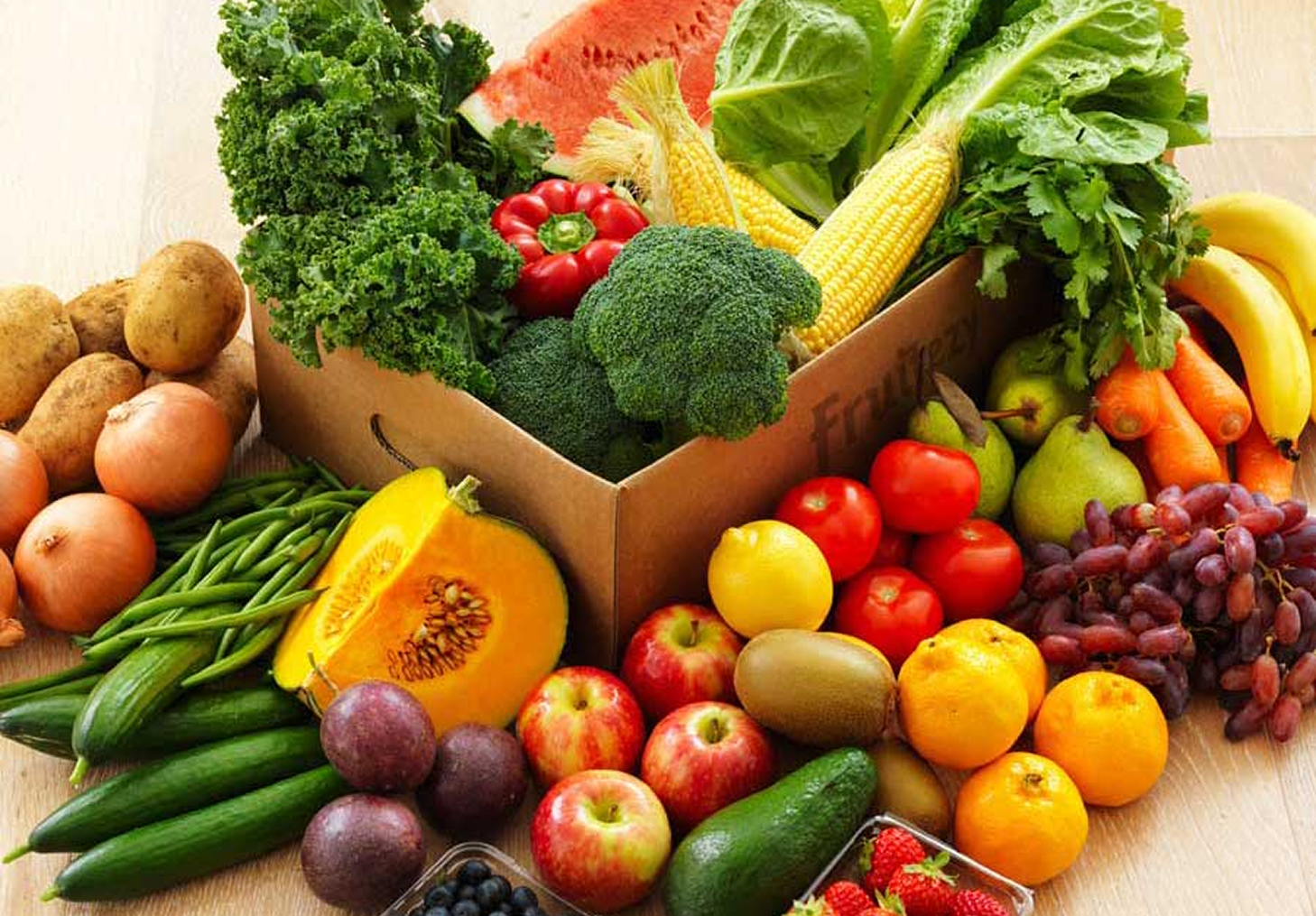
Eating seasonal fruit is one of the easiest ways to enjoy fresh flavours while supporting a balanced diet. Fruits harvested during their natural growing season are often fresher, more flavourful, and widely available. They also encourage greater variety in everyday meals, making it easier to include essential vitamins, minerals, fibre, and antioxidants in your diet.
Advertisement
Across the United Kingdom, the selection of seasonal fruit changes throughout the year. From juicy summer berries to crisp autumn apples, each season offers unique produce that can be enjoyed fresh, added to recipes, or used in healthy snacks. Choosing seasonal options also supports local growers and reduces the need for long-distance transportation.
Here are five seasonal fruits that are well worth adding to your menu throughout the year.
1. Strawberries
Strawberries are among the most anticipated fruits of the British summer. Their naturally sweet flavour and bright colour make them a favourite for both children and adults.
Beyond their delicious taste, strawberries are a good source of vitamin C, which contributes to the normal function of the immune system and supports healthy skin. They also provide fibre, helping to support healthy digestion, along with naturally occurring plant compounds known as antioxidants.
Fresh strawberries are extremely versatile and can be enjoyed in many ways:
- Eaten on their own as a snack
- Added to breakfast cereal or porridge
- Mixed into Greek yogurt
- Blended into smoothies
- Combined with leafy salads
- Served with cottage cheese
- Used as a topping for wholegrain pancakes
Because strawberries are naturally sweet, they often satisfy dessert cravings without requiring added sugar.
When buying strawberries, look for firm berries with a vibrant red colour and fresh green leaves. They are best eaten within a few days of purchase for maximum flavour.
2. Apples
Apples remain one of the UK’s most widely available seasonal fruits, particularly during late summer and autumn. British orchards produce numerous varieties, each offering slightly different flavours, textures, and levels of sweetness.
Apples contain dietary fibre, especially in the skin, along with vitamin C and various naturally occurring plant compounds. Their crisp texture also makes them a satisfying snack between meals.
Easy ways to include apples in your diet include:
- Sliced with peanut butter
- Added to overnight oats
- Mixed into fruit salads
- Chopped into green salads
- Baked with cinnamon
- Blended into smoothies
- Served with cheese for a balanced snack
Different varieties work better for different purposes. Some remain crisp when baked, while others are ideal for eating fresh.
Leaving the skin on whenever possible helps preserve additional fibre and nutrients.
3. Blackberries
Blackberries grow naturally across many parts of the United Kingdom and become widely available during late summer and early autumn. Their rich purple colour reflects the presence of anthocyanins, natural pigments that belong to a group of antioxidant compounds.
Blackberries also provide:
- Vitamin C
- Vitamin K
- Dietary fibre
- Manganese
Their balance of sweetness and slight tartness makes them suitable for both sweet and savoury dishes.
You can enjoy blackberries by:
- Adding them to breakfast bowls
- Mixing them into yogurt
- Preparing homemade fruit compote
- Blending them into smoothies
- Using them in wholegrain muffins
- Combining them with salads containing spinach and walnuts
Fresh blackberries are delicate, so they should be handled carefully and stored in the refrigerator until ready to eat.
4. Pears
Pears become especially popular during autumn, offering a naturally sweet flavour with a soft, juicy texture.
They provide fibre, vitamin C, and potassium while making an excellent portable snack that requires no preparation beyond washing.
Pears can be enjoyed in many different ways:
- Fresh on their own
- Sliced into salads
- Combined with walnuts
- Added to oatmeal
- Served alongside cottage cheese
- Included in smoothies
- Baked with cinnamon and oats
Their natural sweetness pairs particularly well with stronger flavours such as blue cheese, rocket, or toasted nuts.
Because pears continue to ripen after picking, they should be stored at room temperature until they soften slightly before eating.