Home Author
Author

George Williams

Advertisement

Warm summer days call for refreshing drinks that help you stay hydrated while offering plenty of natural flavour. Although supermarkets provide endless bottled beverages, making your own drinks at home allows you to control the ingredients, reduce added sugar, and experiment with seasonal fruits, herbs, and fresh citrus.

Across the United Kingdom, homemade summer drinks have become increasingly popular for garden gatherings, family picnics, barbecues, and relaxing afternoons outdoors. Most recipes require only a handful of simple ingredients and can be prepared in just a few minutes.

Whether you prefer sparkling refreshments, fruity coolers, creamy smoothies, or herbal infusions, there are many easy ways to enjoy delicious homemade drinks throughout the warmer months.

Why Make Your Own Summer Drinks?

Preparing drinks at home offers several practical benefits. You can choose fresh ingredients, adjust sweetness to your taste, and avoid many of the artificial flavours and preservatives commonly found in commercially produced soft drinks.

Homemade beverages also make excellent use of seasonal produce that might otherwise go to waste. Slightly overripe berries, citrus fruits, peaches, or herbs can all be transformed into refreshing drinks.

Additional advantages include:

  • Lower amounts of added sugar
  • Fresh natural flavours
  • Greater variety
  • Affordable ingredients
  • Easy customisation
  • Suitable for the whole family
  • Less packaging waste

Many recipes can also be prepared in large batches, making them ideal for entertaining guests.

Classic Lemon and Mint Cooler

A homemade lemon cooler is one of the simplest and most refreshing drinks for hot weather.

Combine freshly squeezed lemon juice with chilled water or sparkling water before adding plenty of fresh mint leaves and ice cubes. Thin slices of lemon provide additional flavour and an attractive presentation.

If a sweeter drink is preferred, a small amount of honey or another sweetener can be added, although many people enjoy the naturally sharp citrus flavour on its own.

Preparation takes less than five minutes and requires very little equipment.

Strawberry and Basil Sparkler

Fresh strawberries pair surprisingly well with fragrant basil.

Blend ripe strawberries until smooth before mixing with sparkling water. Add torn basil leaves and plenty of ice to create a colourful summer drink.

The sweetness of the strawberries balances the subtle herbal flavour, producing a refreshing alternative to sugary fizzy drinks.

For a smoother texture, strain the blended fruit before serving if desired.

Cucumber and Lime Infused Water

Sometimes the simplest drinks are the most refreshing.

Place thin slices of cucumber and lime into a large jug of cold water before refrigerating for at least an hour.

As the ingredients infuse, they create a delicate flavour without adding sugar or unnecessary calories.

Additional ingredients can include:

  • Fresh mint
  • Lemon slices
  • Orange segments
  • Fresh ginger
  • Rosemary sprigs

Infused water encourages regular hydration while providing subtle natural flavour.

Berry Smoothie

Smoothies offer both refreshment and nutrition, making them suitable for breakfast, snacks, or light summer lunches.

Blend together:

  • Fresh or frozen berries
  • Greek yogurt
  • Milk or a plant-based alternative
  • Banana
  • Oats
  • Chia seeds

The result is a creamy drink rich in protein, fibre, vitamins, and minerals.

Frozen fruit creates an especially thick and chilled consistency without requiring additional ice.

Watermelon Refresher

Watermelon naturally contains a high percentage of water, making it ideal for hot weather.

Blend chilled watermelon cubes until smooth before adding fresh lime juice and a handful of mint leaves.

Serve over ice for an exceptionally cooling drink.

Because watermelon is naturally sweet, additional sugar is usually unnecessary.

This recipe is particularly popular during outdoor gatherings and family barbecues.

Peach and Orange Iced Tea

Homemade iced tea can easily be prepared without excessive amounts of sugar.

Brew black tea and allow it to cool completely before adding sliced peaches, fresh orange juice, and ice cubes.

Refrigerating the mixture for several hours allows the fruit flavours to develop naturally.

Serve with fresh mint or orange slices for extra freshness.

Green tea also works well for a lighter version.

Apple and Ginger Cooler

Apples provide natural sweetness while fresh ginger adds gentle warmth and complexity.

Blend apples with chilled water before stirring in freshly grated ginger and lemon juice.

Serve over crushed ice for a refreshing drink with a balanced sweet and spicy flavour.

This combination works equally well using sparkling water instead of still water.

Adjust the amount of ginger according to personal preference.

Homemade Citrus Spritzer

Citrus fruits create vibrant, refreshing drinks with minimal preparation.

Mix freshly squeezed juice from oranges, lemons, and limes with sparkling water and plenty of ice.

Add slices of fresh fruit for decoration and additional flavour.

This colourful drink is suitable for family meals, summer parties, or relaxing afternoons in the garden.

The combination of different citrus fruits creates a balanced flavour that is both sweet and tangy.

Pages: 1 2

Advertisement

Preparing dinner after a long day can sometimes feel like another task on an already busy schedule. However, making a homemade meal does not have to involve complicated recipes, expensive ingredients, or hours in the kitchen. With a few everyday staples and some simple planning, it is possible to create satisfying, nutritious dinners in less than 30 minutes.

Across the United Kingdom, many households are choosing quick homemade meals over takeaway options. Cooking at home gives you greater control over ingredients, portion sizes, and flavours while often being more economical. Whether you are cooking for one person, a couple, or an entire family, simple recipes can make evening meals both enjoyable and stress-free.

Why Homemade Dinners Are Worth the Effort

Even when time is limited, preparing food at home offers several advantages. Fresh ingredients allow you to build balanced meals with vegetables, protein, and whole grains while limiting excessive amounts of salt, sugar, and saturated fat often found in highly processed foods.

Homemade cooking also allows you to:

  • Adjust portion sizes
  • Use seasonal produce
  • Reduce food waste
  • Save money
  • Try new flavours
  • Prepare leftovers for lunch
  • Involve the whole family in cooking

Many quick dinners require only one pan or one baking tray, making cleaning up much easier.

One-Pan Chicken and Vegetables

One-pan meals are perfect for busy evenings because everything cooks together.

Place chicken breast or chicken thighs onto a baking tray alongside chopped potatoes, carrots, broccoli, peppers, onions, and courgettes. Drizzle with olive oil, season with herbs such as rosemary or thyme, and roast until the chicken is fully cooked and the vegetables are tender.

This meal requires very little preparation while producing a complete dinner containing protein, vegetables, and carbohydrates.

You can easily adapt the vegetables according to the season or what you already have at home.

Vegetable and Chickpea Curry

A simple curry can be prepared using cupboard ingredients and fresh vegetables.

Cook onions, garlic, and mild spices before adding chopped tomatoes, chickpeas, peppers, spinach, carrots, or cauliflower. Simmer everything together until the vegetables become tender.

Serve with:

  • Brown rice
  • Wholegrain rice
  • Quinoa
  • Wholemeal flatbread

This vegetarian meal is rich in fibre and plant-based protein while remaining filling and affordable.

Salmon with New Potatoes and Green Vegetables

Salmon cooks quickly, making it an excellent option for weeknight dinners.

Bake or pan-fry salmon fillets while boiling new potatoes and steaming vegetables such as broccoli, green beans, or peas.

Finish with lemon juice and fresh herbs for a fresh, light meal.

This dinner provides high-quality protein, healthy fats, and plenty of vitamins without requiring complicated cooking techniques.

Wholewheat Pasta with Tomato and Vegetables

Pasta remains one of the fastest dinners to prepare.

Cook wholewheat pasta while gently frying onions, garlic, mushrooms, courgettes, spinach, or peppers. Stir through chopped tomatoes or tomato sauce before combining everything with the cooked pasta.

For extra protein, add:

  • Grilled chicken
  • Tuna
  • Lentils
  • Chickpeas
  • Turkey mince

Finish with grated cheese or fresh basil if desired.

The recipe can be adjusted easily depending on the vegetables available.

Turkey Stir-Fry

Stir-fries are ideal when time is limited.

Slice turkey breast into thin strips and cook it quickly over high heat before adding colourful vegetables such as peppers, carrots, broccoli, mushrooms, and sugar snap peas.

Serve with brown rice or noodles.

A simple sauce made from reduced-salt soy sauce, garlic, ginger, and a little honey provides flavour without requiring complicated preparation.

Most stir-fries are ready in under 25 minutes.

Baked Jacket Potatoes

Jacket potatoes make a comforting and versatile dinner.

Bake potatoes until the skin becomes crisp and the inside soft before filling them with nutritious toppings.

Popular fillings include:

  • Cottage cheese
  • Baked beans
  • Tuna
  • Greek yogurt
  • Sweetcorn
  • Chopped salad
  • Grated reduced-fat cheese

Serve with a side salad or steamed vegetables for a balanced meal.

Cooking several potatoes at once also provides leftovers for future meals.

Vegetable Omelette

Eggs are among the quickest sources of protein available.

Whisk eggs before adding chopped vegetables such as mushrooms, tomatoes, spinach, peppers, onions, or spring onions.

Cook in a frying pan until lightly golden before serving with wholegrain toast or a mixed salad.

This dinner is inexpensive, filling, and suitable for busy weekdays.

Different herbs and cheeses can be added to vary the flavour.

Pages: 1 2

Advertisement

Eating seasonal fruit is one of the easiest ways to enjoy fresh flavours while supporting a balanced diet. Fruits harvested during their natural growing season are often fresher, more flavourful, and widely available. They also encourage greater variety in everyday meals, making it easier to include essential vitamins, minerals, fibre, and antioxidants in your diet.

Across the United Kingdom, the selection of seasonal fruit changes throughout the year. From juicy summer berries to crisp autumn apples, each season offers unique produce that can be enjoyed fresh, added to recipes, or used in healthy snacks. Choosing seasonal options also supports local growers and reduces the need for long-distance transportation.

Here are five seasonal fruits that are well worth adding to your menu throughout the year.

1. Strawberries

Strawberries are among the most anticipated fruits of the British summer. Their naturally sweet flavour and bright colour make them a favourite for both children and adults.

Beyond their delicious taste, strawberries are a good source of vitamin C, which contributes to the normal function of the immune system and supports healthy skin. They also provide fibre, helping to support healthy digestion, along with naturally occurring plant compounds known as antioxidants.

Fresh strawberries are extremely versatile and can be enjoyed in many ways:

  • Eaten on their own as a snack
  • Added to breakfast cereal or porridge
  • Mixed into Greek yogurt
  • Blended into smoothies
  • Combined with leafy salads
  • Served with cottage cheese
  • Used as a topping for wholegrain pancakes

Because strawberries are naturally sweet, they often satisfy dessert cravings without requiring added sugar.

When buying strawberries, look for firm berries with a vibrant red colour and fresh green leaves. They are best eaten within a few days of purchase for maximum flavour.

2. Apples

Apples remain one of the UK’s most widely available seasonal fruits, particularly during late summer and autumn. British orchards produce numerous varieties, each offering slightly different flavours, textures, and levels of sweetness.

Apples contain dietary fibre, especially in the skin, along with vitamin C and various naturally occurring plant compounds. Their crisp texture also makes them a satisfying snack between meals.

Easy ways to include apples in your diet include:

  • Sliced with peanut butter
  • Added to overnight oats
  • Mixed into fruit salads
  • Chopped into green salads
  • Baked with cinnamon
  • Blended into smoothies
  • Served with cheese for a balanced snack

Different varieties work better for different purposes. Some remain crisp when baked, while others are ideal for eating fresh.

Leaving the skin on whenever possible helps preserve additional fibre and nutrients.

3. Blackberries

Blackberries grow naturally across many parts of the United Kingdom and become widely available during late summer and early autumn. Their rich purple colour reflects the presence of anthocyanins, natural pigments that belong to a group of antioxidant compounds.

Blackberries also provide:

  • Vitamin C
  • Vitamin K
  • Dietary fibre
  • Manganese

Their balance of sweetness and slight tartness makes them suitable for both sweet and savoury dishes.

You can enjoy blackberries by:

  • Adding them to breakfast bowls
  • Mixing them into yogurt
  • Preparing homemade fruit compote
  • Blending them into smoothies
  • Using them in wholegrain muffins
  • Combining them with salads containing spinach and walnuts

Fresh blackberries are delicate, so they should be handled carefully and stored in the refrigerator until ready to eat.

4. Pears

Pears become especially popular during autumn, offering a naturally sweet flavour with a soft, juicy texture.

They provide fibre, vitamin C, and potassium while making an excellent portable snack that requires no preparation beyond washing.

Pears can be enjoyed in many different ways:

  • Fresh on their own
  • Sliced into salads
  • Combined with walnuts
  • Added to oatmeal
  • Served alongside cottage cheese
  • Included in smoothies
  • Baked with cinnamon and oats

Their natural sweetness pairs particularly well with stronger flavours such as blue cheese, rocket, or toasted nuts.

Because pears continue to ripen after picking, they should be stored at room temperature until they soften slightly before eating.

Pages: 1 2

Advertisement

Busy schedules often make lunchtime an afterthought. Between work, school, commuting, and daily responsibilities, it can be tempting to grab fast food or skip lunch altogether. However, choosing a meal rich in protein can help you stay satisfied for longer, support muscle maintenance, and provide steady energy throughout the afternoon.

The good news is that preparing a high-protein lunch does not require hours in the kitchen. With a few simple ingredients and smart planning, you can create delicious, balanced meals in just a few minutes. Whether you work from home, pack lunch for the office, or need something quick between meetings, these ideas are practical, nutritious, and easy to adapt to your preferences.

Why Protein Matters at Lunch

Protein plays several important roles in the body. It helps build and repair tissues, supports immune function, and contributes to the production of enzymes and hormones. Including a good source of protein at lunch may also help reduce hunger between meals by promoting a greater feeling of fullness.

A balanced high-protein lunch should ideally include:

  • A quality source of protein
  • Wholegrain carbohydrates
  • Vegetables or salad
  • Healthy fats
  • Plenty of fluids

Combining these food groups provides a more satisfying and nutritionally balanced meal than relying on refined carbohydrates alone.

Grilled Chicken and Mixed Salad

Grilled chicken breast remains one of the most versatile lunch ingredients. Cooked in advance, it can be added to salads in just a few minutes.

Combine sliced chicken with mixed leaves, cherry tomatoes, cucumber, peppers, grated carrots, avocado, and a sprinkle of pumpkin or sunflower seeds. A light olive oil and lemon dressing completes the meal without requiring complicated preparation.

Adding wholegrain bread or a small portion of quinoa makes the lunch even more filling while maintaining nutritional balance.

Preparation time: approximately five minutes if the chicken has been cooked beforehand.

Tuna and Bean Salad

Tinned tuna is convenient, affordable, and naturally rich in protein.

Mix tuna with cooked mixed beans, sweetcorn, diced cucumber, tomatoes, red onion, and fresh herbs. Finish with olive oil, black pepper, and lemon juice.

This combination provides protein, fibre, and complex carbohydrates, making it an excellent lunch for maintaining energy during busy afternoons.

It can also be prepared the night before and stored in the refrigerator.

Wholemeal Chicken Wrap

Wholemeal wraps provide an easy alternative to sandwiches.

Fill one with sliced chicken, spinach, grated carrots, cucumber, tomatoes, and hummus or Greek yogurt as a lighter spread.

Other protein-rich fillings include:

  • Turkey breast
  • Smoked salmon
  • Cottage cheese
  • Boiled eggs
  • Grilled tofu

Wraps travel well, making them ideal for packed lunches.

Egg and Avocado Sandwich

Eggs are one of the quickest and most nutritious protein sources available.

Slice two boiled eggs onto wholegrain bread and add mashed avocado, spinach, and sliced tomato.

Season with black pepper and a little lemon juice for extra freshness.

This lunch provides protein, healthy fats, and fibre while requiring very little preparation.

Preparing boiled eggs in advance saves valuable time during the week.

Greek Yogurt Protein Bowl

Greek yogurt is often associated with breakfast, but it also works well as a quick lunch.

Create a savoury version by combining Greek yogurt with cucumber, tomatoes, herbs, and chickpeas.

Alternatively, prepare a sweeter bowl with berries, oats, nuts, seeds, and sliced fruit.

Its high protein content helps maintain fullness, while the variety of toppings provides important vitamins and minerals.

Quinoa and Roasted Vegetable Bowl

Quinoa naturally contains more protein than many grains while also providing fibre and minerals.

Combine cooked quinoa with roasted vegetables such as peppers, courgettes, broccoli, carrots, and onions.

Add grilled chicken, tofu, chickpeas, or feta cheese for additional protein.

Finish with olive oil, herbs, or a simple yogurt dressing.

Meal preparation at the beginning of the week makes this lunch particularly convenient.

Cottage Cheese with Vegetables

Cottage cheese offers a high-protein option requiring almost no cooking.

Serve it alongside sliced cucumber, tomatoes, celery, peppers, and wholegrain crackers.

For additional flavour, sprinkle herbs, cracked black pepper, or chopped chives over the cottage cheese.

Adding smoked salmon or boiled eggs increases the protein content even further.

This refreshing lunch works especially well during warmer weather.

Pages: 1 2

Advertisement

Breakfast is often described as the most important meal of the day, and for good reason. After a night’s sleep, your body needs energy and nutrients to support concentration, physical activity, and overall wellbeing. However, busy mornings can make it difficult to prepare a nutritious meal, leading many people to skip breakfast or rely on highly processed convenience foods.

Fortunately, eating well does not have to be time-consuming. With a few simple ingredients and minimal preparation, it is possible to create satisfying breakfasts in under ten minutes. These quick meal ideas are suitable for busy professionals, students, parents, and anyone looking to start the day with balanced nutrition.

Why a Balanced Breakfast Matters

A nutritious breakfast helps replenish energy stores after an overnight fast. Choosing foods that combine protein, fibre, healthy fats, and complex carbohydrates can provide more stable energy throughout the morning compared to meals high in refined sugar.

A balanced breakfast may help:

  • Maintain steady energy levels
  • Support concentration and productivity
  • Reduce mid-morning hunger
  • Encourage healthier food choices later in the day
  • Contribute to daily vitamin and mineral intake

The key is selecting ingredients that offer nutritional value without requiring lengthy preparation.

Greek Yogurt with Fresh Fruit and Nuts

Greek yogurt is one of the quickest breakfast options available. Rich in protein and naturally creamy, it pairs well with seasonal fruits and crunchy toppings.

Simply add a handful of berries, sliced banana, apple, or pear before sprinkling over chopped almonds, walnuts, or hazelnuts. A spoonful of seeds such as chia, flaxseed, or pumpkin seeds adds extra fibre and healthy fats.

For additional flavour, sprinkle cinnamon over the top or add a small amount of honey if desired.

Preparation time: approximately five minutes.

Overnight Oats Prepared the Evening Before

Although technically prepared in advance, overnight oats require only a minute or two in the morning.

Combine rolled oats with milk or a plant-based alternative, then refrigerate overnight. In the morning, add fresh fruit, nuts, seeds, or natural yogurt.

Popular flavour combinations include:

  • Blueberries and almonds
  • Apple with cinnamon
  • Banana and peanut butter
  • Strawberries and chia seeds
  • Mango and coconut

This breakfast is easy to customise and provides lasting energy throughout the morning.

Wholegrain Toast with Avocado

Mashed avocado on wholegrain toast has become a popular breakfast because it is both nutritious and incredibly quick to prepare.

Mash a ripe avocado with a fork before spreading it onto toasted wholegrain bread. Add black pepper, lemon juice, chilli flakes, or herbs for additional flavour.

For extra protein, consider adding:

  • A boiled egg
  • Cottage cheese
  • Smoked salmon
  • Sliced tomatoes
  • Rocket leaves

The combination of fibre, healthy fats, and protein creates a filling breakfast that takes only a few minutes to assemble.

Scrambled Eggs with Spinach

Eggs remain one of the fastest sources of high-quality protein.

Whisk two eggs before cooking them in a non-stick pan for just a few minutes. Add fresh spinach during cooking so it softens gently.

Serve with wholegrain toast or sliced tomatoes for a complete breakfast.

Optional additions include mushrooms, peppers, herbs, or reduced-fat cheese.

Preparation usually takes less than ten minutes from start to finish.

Fruit Smoothies

Smoothies provide a convenient option for mornings when sitting down for breakfast is difficult.

Blend together ingredients such as:

  • Banana
  • Frozen berries
  • Greek yogurt
  • Milk or oat drink
  • Spinach
  • Oats
  • Peanut butter

This combination creates a drink containing carbohydrates, protein, healthy fats, vitamins, and minerals.

Preparing smoothie ingredients in freezer bags beforehand makes morning preparation even faster.

Cottage Cheese with Fresh Fruit

Cottage cheese is naturally high in protein and pairs well with both sweet and savoury ingredients.

For a sweet breakfast, combine it with sliced peaches, berries, pineapple, or grapes.

For a savoury version, serve it alongside cucumber, cherry tomatoes, wholegrain crackers, or avocado.

This versatile breakfast requires almost no cooking and can be prepared in just a few minutes.

Pages: 1 2

Advertisement

Warm weather transforms the United Kingdom into an ideal destination for outdoor adventures. Longer daylight hours, comfortable temperatures, and beautiful natural scenery encourage people to spend more time outside, whether exploring the countryside, relaxing in city parks, or enjoying the coastline. From peaceful nature walks to exciting water sports, there are countless ways to make the most of sunny days across England, Scotland, Wales, and Northern Ireland.

Whether you prefer active pursuits or slower-paced experiences, outdoor activities offer an excellent opportunity to improve physical wellbeing, reduce stress, and spend quality time with family and friends.

Explore National Parks and Scenic Trails

The UK is home to a remarkable collection of national parks, each offering landscapes that range from rolling hills and forests to dramatic mountains and lakes. Warm weather provides ideal conditions for walking and hiking, allowing visitors to fully appreciate the country’s natural beauty.

Many walking routes are suitable for beginners, while more challenging trails reward experienced hikers with panoramic views. Along the way, visitors may encounter wildlife, historic landmarks, rivers, waterfalls, and picturesque villages.

Popular hiking activities include:

  • Short nature walks
  • Hill climbing
  • Woodland trails
  • Coastal cliff walks
  • Circular family-friendly routes
  • Photography walks

Remember to wear suitable footwear and carry enough water, especially during longer hikes.

Enjoy a Day at the Beach

Although the UK is not traditionally known for tropical weather, its coastline offers hundreds of beautiful beaches that become lively during warmer months.

Families often spend entire days building sandcastles, swimming in designated safe areas, flying kites, or simply relaxing by the sea. Many beaches also offer opportunities for paddleboarding, kayaking, surfing, and sailing.

Coastal walks provide another excellent way to enjoy the scenery while observing seabirds, rock pools, and impressive cliffs.

Packing sunscreen, hats, and plenty of drinking water helps ensure a comfortable day outdoors.

Cycling Through the Countryside

Cycling has become increasingly popular throughout Britain thanks to improved cycling infrastructure and dedicated recreational routes.

Quiet country lanes, converted railway paths, canal towpaths, and forest trails provide safe and enjoyable environments for cyclists of different experience levels.

Cycling allows visitors to cover greater distances than walking while still appreciating local landscapes and stopping at villages, cafés, or historical attractions along the route.

Many locations also rent bicycles, making cycling accessible even for travellers without their own equipment.

Have a Picnic in Local Parks

Sometimes the simplest outdoor activities are the most enjoyable. Public parks, botanical gardens, and riverside green spaces provide ideal locations for relaxing picnics with family or friends.

A picnic can include homemade meals or fresh products purchased from local food markets. Many parks also offer children’s playgrounds, sports facilities, boating lakes, flower gardens, and shaded seating areas.

Combining a picnic with outdoor games such as frisbee, football, badminton, or cricket creates an enjoyable day suitable for all ages.

Warm afternoons are particularly pleasant for reading, sketching, or simply enjoying nature in peaceful surroundings.

Visit Botanical Gardens

Botanical gardens across the UK become especially colourful during the warmer months. Carefully maintained collections of flowers, trees, and exotic plants create beautiful landscapes for leisurely walks.

Visitors can discover:

  • Rose gardens
  • Tropical glasshouses
  • Woodland paths
  • Wildflower meadows
  • Butterfly-friendly gardens
  • Water features
  • Educational exhibitions

Many botanical gardens organise seasonal workshops, guided tours, and family activities focusing on gardening, conservation, and biodiversity.

Photography enthusiasts often find endless inspiration among the vibrant displays.

Discover Wildlife Reserves

Nature reserves offer opportunities to observe Britain’s native wildlife while enjoying peaceful outdoor environments.

Visitors may spot birds, deer, butterflies, dragonflies, foxes, rabbits, and numerous plant species depending on the location and season.

Birdwatching has become an increasingly popular hobby, with many reserves providing observation hides and guided tours led by experienced naturalists.

Children often enjoy wildlife spotting activities, encouraging curiosity about ecosystems and conservation.

Bringing binoculars and a field guide can make the experience even more rewarding.

Try Water Sports

Warm weather creates favourable conditions for a wide variety of water-based activities available throughout the UK.

Popular choices include:

  • Paddleboarding
  • Kayaking
  • Canoeing
  • Sailing
  • Rowing
  • Windsurfing
  • Surfing
  • Open-water swimming

Many activity centres offer beginner lessons with qualified instructors and provide all necessary safety equipment.

Lakes, reservoirs, rivers, and coastal locations all offer unique experiences suitable for different skill levels.

Always follow local safety guidance and weather conditions before entering the water.

Pages: 1 2

Advertisement

Exploring local food markets is one of the best ways to experience the authentic character of the United Kingdom. While supermarkets provide convenience, traditional markets offer something far more memorable—a chance to meet local producers, discover regional specialties, sample freshly prepared dishes, and enjoy the lively atmosphere created by independent traders.

Across England, Scotland, Wales, and Northern Ireland, food markets have become important community gathering places where visitors can enjoy seasonal ingredients, artisan products, and international cuisine alongside long-standing British favourites. Whether you are planning a weekend outing or simply looking for fresh ingredients, these markets are well worth exploring.

Why Local Food Markets Are So Popular

Food markets have experienced a remarkable revival in recent years. Consumers increasingly appreciate knowing where their food comes from and enjoy supporting independent farmers, bakers, cheesemakers, brewers, and small businesses.

Unlike large retail chains, market vendors often produce their goods on a smaller scale, focusing on quality rather than mass production. Shoppers can ask questions about ingredients, preparation methods, and farming practices while receiving personal recommendations directly from the people who make the products.

Markets also provide an enjoyable social experience. Live music, outdoor seating, cooking demonstrations, and seasonal celebrations create an atmosphere that encourages visitors to spend several hours browsing and tasting.

Fresh Seasonal Produce

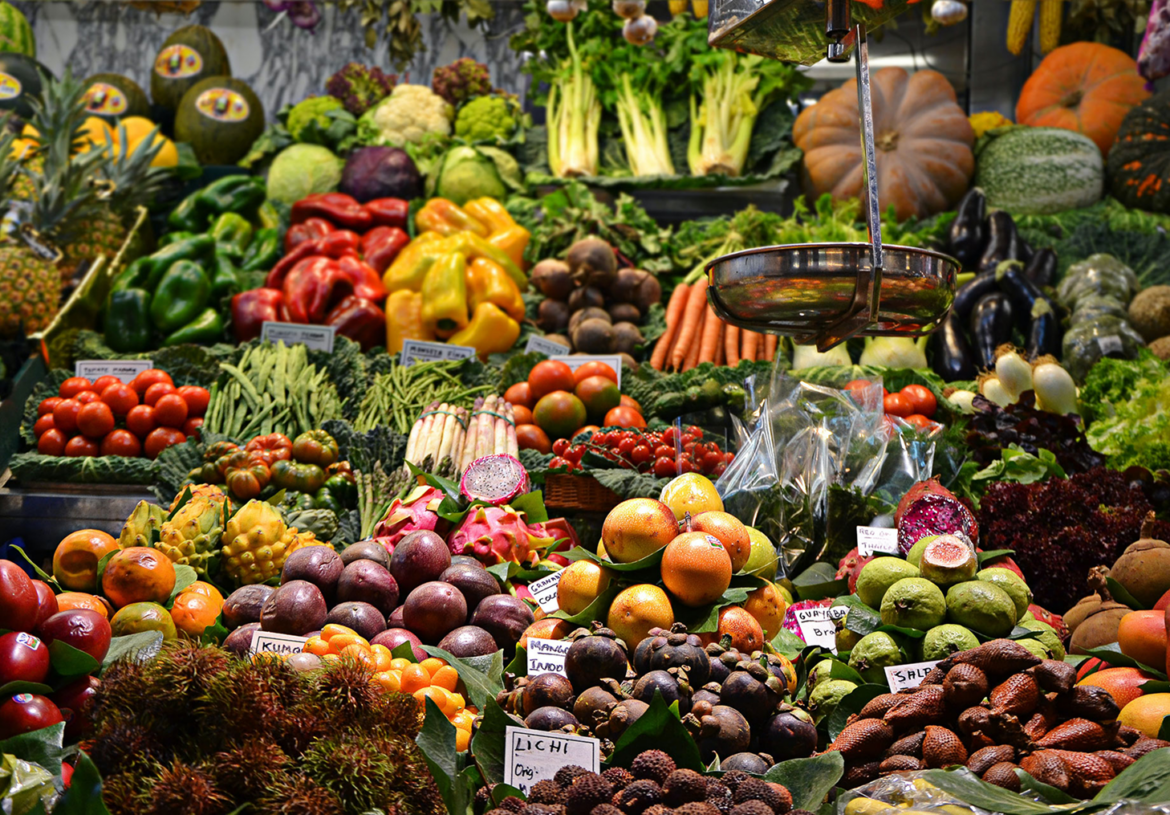
One of the greatest advantages of shopping at local food markets is access to seasonal produce. Depending on the time of year, stalls may feature freshly harvested vegetables, colourful fruits, herbs, mushrooms, and locally grown flowers.

Seasonal shopping not only supports nearby farmers but also allows visitors to enjoy produce at its peak flavour. Many vendors harvest their products shortly before market day, resulting in exceptional freshness.

Typical seasonal offerings may include:

  • Strawberries and raspberries during summer
  • Apples and pears in autumn
  • Pumpkins and squash later in the year
  • Fresh asparagus during spring
  • Leafy greens throughout cooler months

Buying seasonal produce also encourages more varied and sustainable eating habits.

Artisan Bread and Traditional Baking

Freshly baked bread is often one of the first aromas visitors notice when entering a market. Independent bakeries regularly offer sourdough loaves, rye bread, wholegrain varieties, baguettes, focaccia, and speciality rolls made using traditional baking methods.

Many stalls also feature handmade pastries, fruit tarts, brownies, flapjacks, shortbread, and classic British cakes prepared with locally sourced ingredients.

Some bakers specialise in long-fermentation techniques, creating bread with rich flavour and excellent texture without unnecessary additives.

Regional Cheese and Dairy Products

Britain is home to an impressive variety of regional cheeses, many of which are produced by small family businesses. Food markets provide an excellent opportunity to sample cheeses that are rarely found in supermarkets.

Visitors may discover:

  • Mature cheddar
  • Blue cheeses
  • Soft goat’s cheese
  • Creamy brie-style varieties
  • Smoked cheeses
  • Washed-rind specialities

Many vendors encourage sampling before purchasing, allowing customers to compare different textures and flavours.

Alongside cheese, markets often sell fresh butter, cream, yoghurt, and handmade dairy desserts.

Fresh Seafood and Coastal Specialties

Markets located near coastal regions frequently showcase exceptional seafood supplied directly by local fishermen.

Depending on the location, visitors might find freshly caught fish, shellfish, smoked salmon, oysters, crab, mussels, scallops, prawns, and seasonal catches prepared using traditional methods.

Some vendors cook seafood on-site, allowing visitors to enjoy freshly prepared meals while exploring the market.

These stalls often highlight sustainable fishing practices and provide advice on preparation and cooking.

Traditional British Foods

Food markets remain one of the best places to experience authentic British cuisine beyond restaurant menus.

Popular traditional offerings include:

  • Handmade pork pies
  • Scotch eggs
  • Sausage rolls
  • Black pudding
  • Cornish-style pastries
  • Freshly made sandwiches
  • Roast meat rolls
  • Homemade preserves
  • Chutneys and pickles

Many recipes have been passed down through generations and continue to reflect regional culinary traditions.

Pages: 1 2

Advertisement

Spending quality time together as a family does not always require an expensive holiday or elaborate planning. Across the United Kingdom, every month brings a wide variety of family-oriented events designed to entertain children, teenagers, parents, and even grandparents. From outdoor festivals and educational exhibitions to interactive theatre performances and wildlife experiences, there are countless opportunities to create lasting memories while discovering something new.

Whether you are looking for a weekend activity or planning a full family day out, these events offer entertainment, education, and adventure suitable for different age groups.

Outdoor Adventure Festivals

As the weather becomes more inviting, many parks, gardens, and open spaces transform into lively venues filled with activities for children. Outdoor family festivals often feature adventure trails, climbing walls, treasure hunts, storytelling sessions, giant games, face painting, and creative workshops.

Parents can enjoy live music, local food vendors, and artisan markets while children participate in supervised activities. Many festivals also include nature-themed experiences that encourage young visitors to learn about local wildlife, conservation, and environmental protection through hands-on exploration.

These festivals are excellent choices for families seeking a balance of relaxation and active entertainment in a safe environment.

Interactive Science and Discovery Events

Science centres, museums, and educational venues frequently organise special family days filled with interactive exhibits and live demonstrations. Rather than simply observing displays, children become active participants by conducting simple experiments, solving engineering challenges, or exploring technology through games.

Topics often include:

  • Space exploration
  • Robotics
  • Artificial intelligence
  • Dinosaurs and prehistoric life
  • Human biology
  • Renewable energy
  • Chemistry experiments

These events successfully combine education with entertainment, making learning enjoyable for children of different ages.

Historic Castles and Heritage Celebrations

The UK’s rich history provides countless opportunities for immersive family experiences. Many historic castles, manor houses, and heritage sites organise themed weekends where visitors can experience life from centuries ago.

Families may encounter medieval knights, historical reenactments, falconry displays, blacksmith demonstrations, archery sessions, and traditional crafts. Children often have the chance to dress in historical costumes, participate in treasure hunts, or learn ancient skills through interactive workshops.

These events make history feel alive while encouraging curiosity about Britain’s cultural heritage.

Farm and Countryside Experiences

Working farms and rural attractions remain among the most popular destinations for younger children. Seasonal farm events allow families to meet animals, watch feeding demonstrations, enjoy tractor rides, and participate in harvesting activities depending on the time of year.

Many countryside venues also feature:

  • Corn mazes
  • Nature walks
  • Pony rides
  • Outdoor playgrounds
  • Picnic areas
  • Craft workshops
  • Homemade food markets

These experiences introduce children to agriculture and animal care while providing plenty of opportunities to play outdoors.

Wildlife Discovery Days

Nature reserves, safari parks, and wildlife centres regularly organise educational family events focusing on conservation and biodiversity. Guided walks help visitors identify birds, insects, butterflies, and native plants while learning how ecosystems function.

Interactive talks by animal keepers allow children to ask questions and understand how different species live in their natural habitats.

Many wildlife events include photography sessions, scavenger hunts, and creative activities using natural materials, making the day engaging for all ages.

Creative Arts Festivals

Art festivals designed for families encourage children to express their creativity through painting, sculpture, music, dance, and theatre.

Temporary studios often provide free materials for drawing, pottery, collage making, and craft projects. Professional artists guide children through age-appropriate activities while parents are welcome to join or simply observe.

Some festivals also feature live performances, puppet shows, street entertainers, and musical workshops where children can try different instruments.

These events nurture imagination while allowing families to create something together.

Pages: 1 2

Advertisement

Summer is one of the most exciting times of the year across the United Kingdom. Longer days, warmer weather, and vibrant outdoor events encourage people to spend more time exploring their local communities and discovering new experiences. From music festivals and food celebrations to cultural events and family-friendly gatherings, the UK offers an impressive variety of festivals throughout the season.

Whether you’re planning a weekend outing, looking for entertainment close to home, or hoping to experience something completely different, summer festivals provide opportunities to enjoy live performances, local traditions, delicious food, and memorable moments with friends and family.

Here are some of the best types of summer festivals to consider visiting this season.


Music Festivals

The UK has a long tradition of outdoor music festivals that attract visitors of all ages.

While some festivals feature internationally known artists, many smaller regional events highlight talented local musicians performing a wide range of styles, including:

  • Rock
  • Pop
  • Folk
  • Jazz
  • Classical
  • Indie
  • Electronic music

Music festivals often create a lively atmosphere where visitors can spend an entire day enjoying performances, meeting new people, and relaxing outdoors.

Many also include food stalls, craft markets, and family entertainment alongside the music programme.


Food and Drink Festivals

Food festivals have become increasingly popular across towns and cities throughout the UK.

These events celebrate local ingredients, independent producers, artisan baking, street food, regional specialities, and international cuisine.

Visitors can often enjoy:

  • Cooking demonstrations
  • Tastings
  • Local cheeses
  • Handmade chocolates
  • Fresh bakery products
  • Seasonal fruit and vegetables
  • Artisan coffee
  • Traditional British dishes

Many festivals also feature live music and activities for children, making them enjoyable for the whole family.

Food festivals offer an excellent opportunity to discover new flavours while supporting local businesses.


Flower and Garden Festivals

Summer is the perfect season to admire colourful gardens and creative floral displays.

Across the UK, many botanical gardens, historic estates, and public parks organise seasonal flower festivals showcasing beautiful planting schemes and gardening inspiration.

Visitors may enjoy:

  • Guided garden tours
  • Floral exhibitions
  • Gardening workshops
  • Plant sales
  • Outdoor cafés
  • Photography opportunities

These festivals provide a peaceful atmosphere and are ideal for anyone who appreciates nature and landscape design.

Even those with small gardens can find practical ideas to use at home.


Literature Festivals

Book lovers are well catered for during the summer months.

Literary festivals celebrate reading, storytelling, poetry, and creative writing while welcoming authors, journalists, historians, and public speakers.

Visitors often have opportunities to:

  • Attend author talks
  • Join book discussions
  • Listen to interviews
  • Browse independent bookshops
  • Participate in writing workshops

Many festivals also include dedicated children’s programmes that encourage young readers to develop a lifelong love of books.

Literature festivals combine learning with entertainment in a relaxed environment.


Arts and Craft Festivals

Creative festivals showcase the work of artists, designers, photographers, ceramicists, and craftspeople from across the country.

Visitors can browse handmade products including:

  • Pottery
  • Jewellery
  • Paintings
  • Textiles
  • Glass art
  • Woodwork
  • Prints

Many events include live demonstrations where visitors can watch skilled craftspeople create their work.

Some festivals also offer workshops that allow guests to try creative activities themselves.

These events celebrate traditional skills while supporting independent artists.


Family Festivals

Many summer festivals are designed with families in mind.

Children can often enjoy activities such as:

  • Face painting
  • Outdoor games
  • Treasure hunts
  • Storytelling
  • Science demonstrations
  • Puppet shows
  • Craft workshops

Parents appreciate events that provide entertainment suitable for different age groups in one location.

Family festivals create opportunities for shared experiences while encouraging children to spend time outdoors.

Simple activities often become lasting childhood memories.

Pages: 1 2

Advertisement

Weekends are the perfect opportunity to take a break from work, spend time with family and friends, and explore something new. Across the United Kingdom, every weekend offers a wide variety of activities, from local markets and outdoor festivals to museum exhibitions, countryside walks, sporting events, and community celebrations.

Whether you prefer a peaceful afternoon in nature, a lively city atmosphere, or discovering hidden gems close to home, there is always something happening somewhere nearby. You don’t need to travel far to enjoy your free time—many memorable experiences can be found right in your local area.

Here are some of the types of events and activities that are commonly taking place across the UK during the weekend.


Explore Local Farmers’ Markets

Farmers’ markets continue to be popular weekend destinations in towns and cities across the country.

Visitors can browse fresh seasonal fruit and vegetables, artisan bread, homemade cakes, local cheeses, flowers, preserves, handmade crafts, and a variety of speciality foods. Shopping at these markets is also a great way to support independent producers and discover regional products.

Many markets create a welcoming atmosphere with live music, coffee stalls, and street food, making them enjoyable even if you’re not planning to buy very much.

It’s also an excellent opportunity to gather ingredients for a homemade weekend meal.


Enjoy Outdoor Festivals

During the warmer months, parks, town squares, and open spaces often host community festivals celebrating music, food, arts, and local culture.

These events frequently include:

  • Live performances
  • Street entertainment
  • Food vendors
  • Craft workshops
  • Children’s activities
  • Local artists and makers

Outdoor festivals offer something for visitors of all ages and create an enjoyable atmosphere where people can spend several relaxing hours.

Many communities organise these events to bring neighbours together while celebrating local talent and traditions.


Take Advantage of Beautiful Walking Routes

One of the UK’s greatest attractions is its variety of landscapes.

Whether you live near rolling countryside, coastal paths, forests, rivers, canals, or urban parks, weekends provide an ideal opportunity to spend time outdoors.

Popular walking destinations often include:

  • Country parks
  • Woodland trails
  • Nature reserves
  • Coastal promenades
  • Historic villages
  • Canal towpaths

Walking requires very little planning yet provides fresh air, gentle exercise, and an opportunity to disconnect from busy schedules.

Even familiar routes can feel different as the seasons change.


Visit Museums and Heritage Attractions

Across the UK, museums and historical sites regularly welcome visitors throughout the weekend.

Whether your interests include science, transport, art, military history, literature, or local heritage, there are exhibitions to suit almost every curiosity.

Many museums also organise family-friendly activities, interactive displays, or temporary exhibitions that encourage repeat visits.

Historic houses, castles, gardens, and heritage railways also provide fascinating opportunities to learn more about Britain’s rich history while enjoying a leisurely day out.


Support Independent Cafés and Local Businesses

Weekends are an ideal time to discover independent cafés, bakeries, bookshops, and small businesses that you may not have time to visit during the working week.

Trying a new café can become a relaxing part of your weekend routine.

Many people enjoy spending an hour reading a book, meeting friends, or simply watching the world go by while enjoying a cup of tea or coffee.

Exploring local businesses also helps strengthen the communities in which we live.


Discover Public Gardens and Green Spaces

Botanical gardens, public parks, and landscaped estates provide peaceful environments throughout the year.

During the weekend you might choose to:

  • Admire seasonal flowers.
  • Photograph wildlife.
  • Read on a park bench.
  • Enjoy a picnic.
  • Watch birds.
  • Take a leisurely stroll.

These quieter locations offer an excellent alternative to busier shopping centres and provide opportunities to relax without travelling far.

Nature often provides the perfect setting for recharging after a busy week.


Attend Local Theatre Performances

Community theatres, arts centres, and local performance venues regularly present productions ranging from classic plays to modern comedy and musical performances.

Weekend performances often include:

  • Amateur theatre
  • Comedy nights
  • Live music
  • Dance productions
  • Children’s shows
  • Storytelling events

These performances offer an enjoyable cultural experience while supporting local performers and creative organisations.

Every visit contributes to maintaining vibrant arts communities across the country.

Pages: 1 2

Advertisement

Newer Posts