Home Author
Author

George Williams

Advertisement

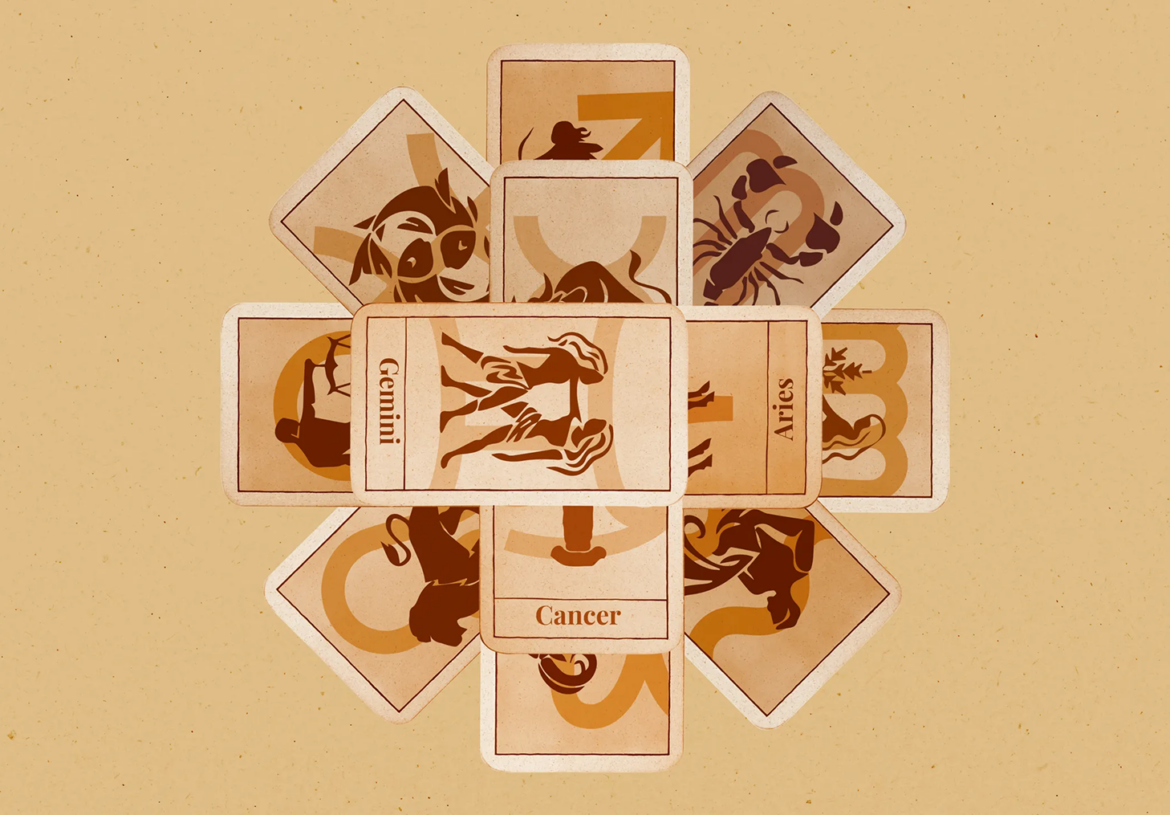
A new month often brings a sense of renewal. Many people see it as an opportunity to set fresh goals, reflect on recent experiences, and approach the weeks ahead with optimism. While astrology is considered a form of personal belief and entertainment rather than a scientific method of predicting the future, monthly horoscopes can encourage self-reflection and inspire positive habits.

This month’s horoscope focuses on personal growth, communication, healthy routines, and embracing new opportunities. Whether you’re looking to strengthen relationships, improve your work-life balance, or simply enjoy everyday moments, the stars invite you to move forward with confidence while remaining open to change.

Read your zodiac sign below to discover what this month may encourage you to focus on.


Aries (21 March – 19 April)

This month brings fresh motivation and a desire to move forward with projects that may have been waiting for your attention.

Your natural enthusiasm can help you make noticeable progress, particularly when you combine confidence with careful planning. Instead of trying to complete everything at once, focus on one priority at a time.

In your personal life, conversations with friends or family members may strengthen important relationships.

The second half of the month looks favourable for trying new activities or developing practical skills.


Taurus (20 April – 20 May)

Stability continues to work in your favour this month.

You may find satisfaction in improving everyday routines, organising your home, or completing long-term tasks that have gradually moved down your priority list.

Relationships benefit from patience and thoughtful communication.

Taking time to appreciate small achievements rather than focusing only on future goals may help you feel more confident about your progress.

A peaceful weekend outdoors could provide valuable time to recharge.


Gemini (21 May – 20 June)

Curiosity and communication become important themes during the coming weeks.

This month encourages you to explore new ideas, read more widely, or develop a skill that has always interested you.

Social opportunities may increase, making it easier to reconnect with old friends or expand your network.

Although several exciting possibilities may appear, choosing quality over quantity will help you avoid becoming overwhelmed.

Balance remains important.


Cancer (21 June – 22 July)

Home and personal well-being receive extra attention this month.

You may feel inspired to create a more comfortable living environment, spend additional time with loved ones, or establish healthier daily habits.

Simple routines such as regular walks, home-cooked meals, and quiet evenings may bring greater satisfaction than busy schedules.

Trust your instincts while remaining open to practical advice from people you respect.


Leo (23 July – 22 August)

Confidence continues to grow throughout the month.

Creative ideas, social events, and opportunities to work with others may bring enjoyable experiences.

This is a good time to celebrate progress while remembering that lasting success often comes from steady effort rather than dramatic changes.

Friends may appreciate your encouragement and positive attitude.

The final week of the month could bring an unexpected opportunity to learn something new.


Virgo (23 August – 22 September)

Organisation remains one of your greatest strengths.

This month encourages you to review priorities and simplify areas of your daily routine that feel unnecessarily complicated.

Avoid putting pressure on yourself to achieve perfection.

Completing tasks consistently is often more valuable than trying to make every detail flawless.

Small improvements made regularly can produce significant long-term results.


Libra (23 September – 22 October)

Relationships and cooperation become particularly important.

You may find yourself strengthening existing friendships or building new connections through shared interests and community activities.

Listening carefully to different perspectives may lead to valuable insights.

This month also supports creative hobbies and activities that bring balance into your daily routine.

Allow yourself time to enjoy life’s quieter moments.


Scorpio (23 October – 21 November)

Determination helps you move steadily towards your personal goals.

Rather than seeking immediate results, focus on building lasting foundations for the future.

This may also be a suitable month to review long-term plans and identify practical next steps.

Meaningful conversations with trusted people could provide useful guidance.

Remain patient if progress feels slower than expected.

Pages: 1 2

Advertisement

Relationships are an important part of everyday life. Whether you’re in a long-term partnership, getting to know someone new, or focusing on friendships and family connections, every week brings opportunities to strengthen communication and better understand the people around you. Many people enjoy reading relationship horoscopes as a fun way to reflect on their interactions and consider different perspectives.

Astrology is a form of personal belief and entertainment rather than a scientific way of predicting future events. The insights below are intended to encourage reflection and positive communication rather than provide certainty. This week’s themes centre around honesty, patience, mutual respect, and making time for meaningful conversations.

Read your zodiac sign to discover what the stars may be suggesting for your relationships this week.


Aries (21 March – 19 April)

This week encourages you to slow down before reacting. Your enthusiasm and confidence often help you express your feelings openly, but taking a moment to listen carefully may strengthen your relationships even further.

If you’re in a relationship, consider planning an activity you both enjoy instead of focusing on everyday responsibilities. Small shared experiences often help maintain a strong connection.

If you’re single, casual conversations could lead to interesting new friendships. Keep an open mind and allow connections to develop naturally rather than rushing expectations.


Taurus (20 April – 20 May)

Stability and trust remain important themes for you.

This week offers an opportunity to appreciate the people who consistently support you. A thoughtful message, a shared meal, or simply spending quality time together may strengthen existing relationships.

If misunderstandings arise, patience will likely produce better results than immediate reactions.

For those who are single, this may be a good time to focus on meeting people through shared hobbies or local community activities rather than forcing new romantic opportunities.


Gemini (21 May – 20 June)

Communication plays a central role during the coming days.

You may find yourself enjoying longer conversations, exchanging ideas, or reconnecting with someone you haven’t spoken to for a while.

In relationships, asking thoughtful questions instead of making assumptions may help avoid unnecessary confusion.

If you’re single, your natural curiosity could make meeting new people particularly enjoyable this week.

Remember that genuine interest often creates stronger first impressions than trying too hard to impress someone.


Cancer (21 June – 22 July)

Emotional connection becomes especially important this week.

You may feel encouraged to spend more time with family members, close friends, or your partner.

Simple moments—sharing dinner, taking an evening walk, or talking without distractions—may strengthen your relationships more than elaborate plans.

If you’re feeling uncertain about something, expressing your thoughts calmly can help create greater understanding.

Kindness towards yourself is equally important.


Leo (23 July – 22 August)

Your confidence and optimism may naturally attract people this week.

Relationships may benefit from celebrating each other’s achievements rather than focusing only on future goals.

If you’re in a partnership, showing appreciation for small everyday efforts can strengthen your bond.

Single Leos may enjoy meeting new people through social events, group activities, or mutual friends.

Remember that confidence combined with genuine interest often creates meaningful conversations.

Pages: 1 2

Advertisement

Friendship means something different to everyone. Some people enjoy having a large circle of acquaintances, while others prefer a small group of trusted friends. Astrology offers one way of exploring these differences by connecting personality traits with the twelve zodiac signs. Although astrology is a form of personal belief rather than a scientific method of understanding behaviour, many people find it entertaining and thought-provoking.

Your zodiac sign does not determine how you build relationships, but it may encourage you to reflect on your communication style, your strengths as a friend, and the qualities you appreciate in others. Across the UK, where friendships often grow through school, work, local communities, sports clubs, or shared hobbies, understanding different personalities can make relationships even more rewarding.

Let’s explore how each zodiac sign is commonly described when it comes to friendship.


Aries: The Energetic Friend

Dates: 21 March – 19 April

Aries is often described as confident, enthusiastic, and adventurous.

People born under this sign usually enjoy taking the initiative when making plans. They may be the friend who organises weekend trips, suggests trying a new restaurant, or encourages everyone to participate in outdoor activities.

Aries values honesty and direct communication. They generally appreciate friends who are equally open and willing to embrace new experiences.

Although they may occasionally act impulsively, their enthusiasm often makes social gatherings lively and enjoyable.


Taurus: Loyal and Reliable

Dates: 20 April – 20 May

Taurus is traditionally associated with loyalty and stability.

Rather than seeking a large number of friendships, Taurus often prefers a smaller circle of people they know well and trust completely.

They enjoy dependable relationships built over time and are usually willing to support friends during both good times and difficult moments.

Simple activities such as cooking together, visiting cafés, walking in the countryside, or spending a quiet evening at home often suit their relaxed personality.

Reliability is one of their greatest strengths as a friend.


Gemini: The Great Communicator

Dates: 21 May – 20 June

Gemini enjoys meeting people and learning from different perspectives.

Curious by nature, they often enjoy conversations about current events, travel, books, technology, or new ideas.

Many Geminis have friends from different stages of life because they adapt easily to new environments.

Their social nature often makes them excellent at introducing people who share similar interests.

Because they enjoy variety, they may appreciate friendships that encourage learning and personal growth.


Cancer: Caring and Supportive

Dates: 21 June – 22 July

Cancer is often associated with kindness, empathy, and emotional understanding.

People born under this sign usually place great importance on close personal relationships.

They often remember birthdays, check in when friends are having a difficult time, and enjoy creating comfortable environments where everyone feels welcome.

Cancer values trust and sincerity above popularity.

Once a friendship is established, they often remain loyal for many years.


Leo: Generous and Encouraging

Dates: 23 July – 22 August

Leo enjoys bringing people together.

Known for confidence and warmth, they often encourage friends to celebrate achievements and make the most of special occasions.

Leos frequently enjoy organising social events, birthdays, and group activities.

Their enthusiasm can be motivating, especially when friends need encouragement to try something new.

They appreciate friendships built on mutual respect, loyalty, and genuine appreciation.


Virgo: Thoughtful and Practical

Dates: 23 August – 22 September

Virgo often demonstrates friendship through helpful actions rather than dramatic gestures.

They may offer practical advice, help organise important events, or quietly support friends whenever assistance is needed.

Virgos tend to notice small details that others overlook.

If a friend mentions an upcoming interview or important appointment, Virgo is likely to remember and ask how everything went.

Their reliability often makes them trusted companions.


Libra: Bringing People Together

Dates: 23 September – 22 October

Libra enjoys harmony and balanced relationships.

They often dislike unnecessary conflict and naturally encourage cooperation within friendship groups.

Many Libras enjoy social gatherings where everyone feels included.

They appreciate meaningful conversations, shared experiences, and environments where people treat each other with kindness and respect.

Their diplomatic approach often helps resolve misunderstandings before they become larger disagreements.

Pages: 1 2

Advertisement

Summer is often associated with longer days, warmer weather, outdoor gatherings, holidays, and a more relaxed pace of life. Across the UK, many people look forward to spending time in parks, visiting the coast, attending festivals, or simply enjoying brighter evenings after work.

From an astrological perspective, each season is thought to bring different opportunities for the zodiac signs. While astrology is considered a form of personal belief and entertainment rather than a science, many people enjoy exploring how seasonal energy may align with their personality and lifestyle.

Some zodiac signs are often described as naturally flourishing during the summer months because their qualities match the season’s atmosphere of confidence, creativity, adventure, and connection with others. Let’s explore which signs are traditionally associated with thriving during summer and why.


Leo: Confident in the Spotlight

Dates: 23 July – 22 August

Leo is often considered the zodiac sign most closely connected with summer.

Ruled by the Sun in traditional astrology, Leo is associated with warmth, confidence, generosity, and creativity. These characteristics seem to fit naturally with the vibrant atmosphere of the season.

Summer often provides Leos with opportunities to:

  • Attend outdoor events.
  • Meet new people.
  • Express creativity.
  • Enjoy celebrations.
  • Spend time with friends and family.

Many Leos enjoy taking the lead when organising activities or bringing people together. Whether planning a barbecue, arranging a weekend outing, or participating in community events, they often feel energised by social interaction.

The bright, lively mood of summer complements their outgoing personality.


Cancer: Enjoying Comfort and Connection

Dates: 21 June – 22 July

Cancer begins the summer zodiac season.

Although often quieter than Leo, Cancer is closely associated with home, family, emotional connection, and caring relationships.

Summer offers many opportunities for these qualities to shine.

People born under Cancer may especially enjoy:

  • Family picnics.
  • Garden gatherings.
  • Holidays with loved ones.
  • Home improvement projects.
  • Relaxing evenings outdoors.

Rather than seeking constant excitement, Cancer often appreciates meaningful conversations and peaceful moments shared with people they care about.

The slower rhythm of summer weekends may feel especially rewarding.


Sagittarius: Ready for Adventure

Dates: 22 November – 21 December

Although Sagittarius is a winter sign, astrologers frequently associate it with travel, exploration, and curiosity—qualities that fit naturally with the summer season.

Many Sagittarians enjoy discovering new places, even if those destinations are relatively close to home.

Summer may inspire them to:

  • Explore walking trails.
  • Visit coastal towns.
  • Attend outdoor festivals.
  • Try new sports.
  • Learn new skills.

Their enthusiasm for discovering different experiences often makes summer one of their favourite times of year.

Adventure does not necessarily require travelling abroad. Even exploring another part of the UK can satisfy their curiosity.


Gemini: Social and Curious

Dates: 21 May – 20 June

Gemini enters the warmer months full of curiosity and enthusiasm.

Known for communication, adaptability, and an interest in learning, Gemini often enjoys the increased social opportunities that summer brings.

This season may encourage Geminis to:

  • Meet new people.
  • Attend local events.
  • Join community activities.
  • Visit exhibitions.
  • Take short day trips.

Their flexible personality allows them to adapt easily to spontaneous plans.

Long summer evenings provide extra opportunities for conversations and shared experiences.

Pages: 1 2

Advertisement

For many people across the UK, reading a weekly horoscope is a light-hearted way to reflect on the days ahead. While astrology is a personal belief rather than a scientific method of predicting future events, many enjoy using horoscopes as a source of inspiration, self-reflection, and motivation. Instead of offering certainty, horoscopes encourage us to think about our goals, relationships, and everyday decisions from a different perspective.

This week’s horoscope focuses on personal growth, communication, balance, and making time for the things that matter most. Read your zodiac sign below and see what the stars may be suggesting for the days ahead.


Aries (21 March – 19 April)

This week encourages you to slow down slightly and think before acting. Your natural enthusiasm can help you make progress, but careful planning may produce even better results. At work or during personal projects, taking a few extra moments to organise your ideas could prevent unnecessary complications later.

In your personal life, honest conversations may strengthen relationships with friends or family members. Listening carefully can be just as valuable as sharing your own opinions.

The weekend looks favourable for outdoor activities or spending time exploring somewhere close to home.


Taurus (20 April – 20 May)

Stability remains an important theme this week. You may find satisfaction in completing tasks that have been waiting for your attention. Small achievements could bring a welcome sense of progress.

Take time to enjoy simple pleasures, whether that’s preparing a favourite meal, reading a good book, or spending time in nature.

Patience may prove particularly valuable in conversations where different opinions arise. Remaining calm can help create positive outcomes.


Gemini (21 May – 20 June)

Communication takes centre stage during the coming days.

You may receive interesting news or have opportunities to reconnect with people you have not spoken to recently. This could also be a good time to share ideas, begin new conversations, or explore learning opportunities.

Try not to overcommit yourself. While your curiosity may lead you towards several exciting possibilities, focusing on a smaller number of priorities may bring greater satisfaction.

The weekend may offer opportunities for enjoyable social activities.


Cancer (21 June – 22 July)

This week encourages you to focus on creating balance between responsibilities and personal well-being.

You may feel motivated to organise your home, spend more time with loved ones, or establish healthier daily routines.

Small acts of self-care, such as preparing nutritious meals, taking regular walks, or setting aside quiet time to relax, may help restore your energy.

Remember that looking after yourself also allows you to support others more effectively.


Leo (23 July – 22 August)

Your confidence may help you approach new opportunities with optimism.

This could be a positive week for creative projects, hobbies, or activities that allow you to express your personality. Others may appreciate your enthusiasm and willingness to take initiative.

At the same time, sharing responsibilities with others rather than trying to manage everything alone could make your week feel less demanding.

The weekend may bring pleasant moments with family or close friends.


Virgo (23 August – 22 September)

Organisation and careful planning remain your strengths this week.

You may enjoy updating schedules, organising your workspace, or completing practical tasks that improve everyday life.

However, remember that perfection is not always necessary. Sometimes completing a task well is more valuable than spending excessive time refining every detail.

Taking short breaks during busy days may also help maintain your concentration.


Libra (23 September – 22 October)

Relationships and cooperation may become particularly important this week.

Whether at work or in your personal life, finding common ground with others could lead to rewarding experiences.

This may also be a good opportunity to reconnect with old friends or arrange a relaxing social gathering.

Balance remains your guiding principle. Make time both for responsibilities and for activities that help you unwind.


Scorpio (23 October – 21 November)

Determination can help you move steadily towards your goals.

Rather than rushing, focus on consistent progress. Small improvements made each day often produce lasting results.

You may also feel inspired to learn something new or develop an existing skill.

Trust your instincts while remaining open to advice from people whose experience you respect.

The latter part of the week may feel particularly productive.

Pages: 1 2

Advertisement

Building healthy habits is often associated with making major lifestyle changes, strict schedules, or ambitious fitness goals. In reality, lasting routines are usually created through small, consistent actions repeated over time. Simple adjustments to everyday life can gradually become automatic behaviours, making it easier to maintain a healthy lifestyle without feeling overwhelmed.

Across the United Kingdom, many people are looking for practical ways to improve their wellbeing while balancing work, family responsibilities, and busy schedules. Fortunately, healthy routines do not require expensive equipment or dramatic changes. Small daily habits can support physical health, mental wellbeing, and overall quality of life when practised consistently.

Why Small Changes Are More Sustainable

Many people begin new routines with enthusiasm but lose motivation when goals are too demanding. Large lifestyle changes often require significant time, energy, and willpower, making them difficult to maintain over the long term.

Smaller habits are easier to repeat because they fit naturally into existing routines. As these behaviours become familiar, they require less conscious effort and gradually become part of everyday life.

Examples include drinking an extra glass of water each morning, walking for ten minutes after lunch, or preparing a healthy breakfast instead of skipping the first meal of the day. Although these actions may seem minor individually, their cumulative effect over weeks and months can be meaningful.

Start the Day with a Nutritious Breakfast

Beginning the morning with a balanced breakfast helps replenish energy after an overnight fast and provides nutrients needed for daily activities.

A simple breakfast might include:

  • Porridge with berries
  • Greek yogurt with fruit and nuts
  • Wholegrain toast with eggs
  • Cottage cheese and fresh fruit
  • Overnight oats

Choosing meals that include protein, fibre, and complex carbohydrates may help maintain steady energy levels throughout the morning.

Preparing breakfast ingredients the evening before can make healthy choices easier during busy mornings.

Drink More Water Throughout the Day

Staying hydrated is one of the simplest daily habits to improve overall wellbeing.

Many people mistakenly wait until they feel thirsty before drinking water. Keeping a reusable water bottle nearby serves as a useful reminder to drink regularly.

Simple strategies include:

  • Drinking a glass of water after waking up
  • Carrying a bottle while travelling
  • Drinking water with every meal
  • Choosing water instead of sugary soft drinks
  • Flavouring water with lemon, cucumber, or fresh mint

Maintaining adequate hydration supports normal bodily functions and becomes easier when incorporated into everyday routines.

Include More Fruit and Vegetables

Adding one extra portion of fruit or vegetables each day is an achievable goal for most people.

Fresh produce provides important vitamins, minerals, fibre, and naturally occurring plant compounds that contribute to a balanced diet.

Easy additions include:

  • Berries with breakfast
  • An apple as a snack
  • Salad with lunch
  • Steamed vegetables at dinner
  • Fruit in smoothies

Rather than focusing on eliminating foods, many people find it more practical to concentrate on increasing nutritious options.

Take Short Walking Breaks

Modern lifestyles often involve long periods of sitting, particularly during office work or studying.

Short walks throughout the day encourage movement without requiring lengthy exercise sessions.

Walking for ten to fifteen minutes can easily fit into daily routines by:

  • Walking during lunch breaks
  • Taking the stairs instead of lifts
  • Parking slightly farther away
  • Walking to nearby shops
  • Enjoying an evening stroll after dinner

These small periods of activity gradually contribute to a more active lifestyle.

Prepare Meals in Advance

One of the most effective ways to support healthy eating is planning ahead.

Preparing ingredients or complete meals before busy weekdays reduces reliance on convenience foods.

Helpful meal preparation habits include:

  • Cooking extra portions for leftovers
  • Washing vegetables immediately after shopping
  • Boiling eggs in advance
  • Preparing overnight oats
  • Portioning healthy snacks
  • Freezing homemade soups

Meal preparation saves time while making balanced choices more convenient.

Improve Sleep Habits

Quality sleep is an essential part of overall health, yet it is often overlooked.

Developing consistent evening routines may help prepare both body and mind for rest.

Useful habits include:

  • Going to bed at similar times each night
  • Reducing screen use before bedtime
  • Keeping the bedroom comfortable and quiet
  • Avoiding heavy meals immediately before sleeping
  • Reading instead of scrolling through devices

Even small improvements in sleep routines can positively influence energy levels during the day.

Spend Time Outdoors

Fresh air and natural surroundings can become an important part of a healthy routine.

Even brief periods outside may provide opportunities to relax, move, and enjoy daylight.

Simple ideas include:

  • Morning walks
  • Lunch in a local park
  • Gardening
  • Weekend nature visits
  • Walking instead of driving for short journeys

Spending time outdoors also encourages physical activity while providing a welcome break from indoor environments.

Reduce Highly Processed Snacks

Rather than completely avoiding favourite foods, replacing some processed snacks with more nutritious alternatives can become a realistic long-term habit.

Healthier snack ideas include:

  • Fresh fruit
  • Greek yogurt
  • Unsalted nuts
  • Vegetable sticks with hummus
  • Cottage cheese
  • Wholegrain crackers

Keeping healthier options visible at home or work makes them easier to choose when hunger appears.

Pages: 1 2

Advertisement

Weekends provide a valuable opportunity to take a break from work, study, and everyday responsibilities. However, relaxing does not always require a long journey or an expensive holiday. Across the UK, there are countless ways to recharge close to home while making the most of your free time.

Spending the weekend locally can save both time and money while allowing you to enjoy familiar places from a fresh perspective. Whether you live in a busy city, a market town, or a quiet village, simple activities can help you return to Monday feeling refreshed and ready for the week ahead.

Here are several ideas that can help you relax without travelling far from home.


Take a Walk in a Local Park

One of the easiest ways to recharge is by spending time outdoors.

The UK is home to thousands of public parks, woodlands, gardens, and nature reserves that offer peaceful surroundings throughout the year. Even if you visit the same park regularly, walking at a slower pace can help you notice seasonal flowers, wildlife, and changing landscapes.

Walking also provides an opportunity to step away from screens and enjoy fresh air. Whether you spend thirty minutes or several hours outdoors, gentle movement can become a refreshing part of your weekend routine.

Bringing a reusable water bottle and comfortable walking shoes makes spontaneous walks even easier.


Visit a Local Farmers’ Market

Weekend markets are popular across many British towns and cities.

Browsing fresh fruit and vegetables, baked goods, handmade products, local cheeses, flowers, and artisan foods can be an enjoyable way to spend a morning.

Even if you are not planning a large shopping trip, markets often provide a relaxed atmosphere where you can explore seasonal produce and support local businesses.

Many people also enjoy chatting with stallholders and discovering ingredients they have never tried before.

After visiting the market, you might prepare a homemade lunch using your purchases.


Explore a Nearby Walking Trail

You do not need to travel to a national park to enjoy scenic walks.

Many communities across England, Scotland, Wales, and Northern Ireland have local footpaths, riverside trails, canals, or woodland routes within a short distance of home.

Walking a new route can make familiar surroundings feel completely different.

Consider inviting family members or friends to join you, or enjoy the quiet time alone while listening to the sounds of nature.

Exploring local paths also encourages regular physical activity without requiring extensive planning.


Enjoy a Picnic Outdoors

A picnic is one of the simplest ways to make an ordinary afternoon feel special.

Prepare sandwiches, fresh fruit, salads, or homemade snacks and head to a nearby green space.

Popular picnic locations include:

  • Public parks
  • Botanical gardens
  • Village greens
  • Lakesides
  • Coastal viewpoints
  • Riverside areas

Bringing a blanket, a book, or a board game can turn a simple meal into several relaxing hours outdoors.

Picnics are suitable for families, couples, and individuals alike.


Discover Local Museums and Galleries

Many towns and cities across the UK have museums, galleries, or heritage centres that are easy to overlook.

Visiting a local exhibition can provide an interesting change of pace while helping you learn more about the history, culture, or art of your area.

Many museums also offer temporary exhibitions that change throughout the year, making repeat visits worthwhile.

A quiet afternoon exploring exhibitions can be both relaxing and inspiring.


Spend Time in the Garden or on the Balcony

You do not need a large garden to enjoy time outdoors.

If you have a small patio, balcony, or shared outdoor space, spending time there can provide a welcome break from indoor routines.

Simple activities include:

  • Watering plants.
  • Growing herbs.
  • Reading a book.
  • Enjoying a cup of tea.
  • Listening to birdsong.
  • Watching the sunset.

Gardening, even on a small scale, encourages patience and provides a sense of accomplishment as plants gradually grow.

Pages: 1 2

Advertisement

Digital technology has become an essential part of everyday life. Smartphones, laptops, tablets, smartwatches, and connected devices help us communicate, work, study, shop, and stay informed. However, constant notifications, endless scrolling, and frequent interruptions can make it difficult to stay focused on important tasks.

Improving concentration does not require giving up technology completely. Instead, it involves developing healthier digital habits that reduce unnecessary distractions while allowing you to continue benefiting from modern devices. Small adjustments to the way you use technology can make your day feel more productive and less overwhelming.

Whether you work from home, commute across the UK, or spend your day studying, these practical habits can help you maintain better focus.


Start Your Day Without Looking at Your Phone

Many people reach for their phone within seconds of waking up. Emails, news updates, weather forecasts, social media, and messages quickly compete for attention before the day has even begun.

Instead, consider waiting at least twenty to thirty minutes before checking your device.

Use this time to:

  • Drink a glass of water.
  • Stretch your muscles.
  • Eat breakfast.
  • Get dressed.
  • Plan your priorities.

Beginning the day calmly allows you to focus on your own routine rather than immediately reacting to notifications.

This small habit often creates a more positive and organised start to the morning.


Turn Off Unnecessary Notifications

Every notification competes for your attention.

Many apps send alerts for promotions, recommendations, updates, and activity that may not require an immediate response.

Review your notification settings and keep only those that are genuinely important, such as phone calls, messages from family members, or essential work applications.

Reducing unnecessary alerts means fewer interruptions throughout the day and allows you to concentrate on your current task for longer periods.

A quieter phone often leads to a quieter mind.


Keep Only Essential Apps on Your Home Screen

The way your phone is organised influences how you use it.

If social media, games, and shopping apps are the first things you see every time you unlock your device, you’re more likely to open them automatically.

Instead, place practical tools on your main screen, such as:

  • Calendar
  • Notes
  • Maps
  • Weather
  • Banking
  • Reminders

Entertainment apps can be moved to later pages or grouped into folders.

This simple change adds a small amount of friction that encourages more intentional phone use.


Work in Focused Time Blocks

Trying to concentrate for several uninterrupted hours can be difficult.

Many people find it easier to divide work into shorter periods of focused attention followed by brief breaks.

For example, work for twenty-five to fifty minutes, then stand up, stretch, or walk around for a few minutes before returning to your task.

During these focus periods:

  • Silence your phone.
  • Close unnecessary browser tabs.
  • Pause notifications.
  • Avoid checking emails unless required.

Working with fewer interruptions often improves both productivity and accuracy.


Reduce the Number of Open Tabs

Modern web browsers make it easy to open dozens of tabs at once.

Unfortunately, too many open pages can become distracting and make it harder to remember what you intended to do.

Instead of keeping everything open indefinitely:

  • Close tabs you no longer need.
  • Bookmark useful pages for later.
  • Group related tabs together.
  • Finish one task before opening another.

A cleaner browser often leads to clearer thinking.


Schedule Specific Times to Check Emails

Checking emails every few minutes interrupts concentration and often delays important work.

Unless your role requires immediate responses, consider reviewing your inbox at planned times during the day.

For example:

  • Early morning.
  • Before lunch.
  • Mid-afternoon.
  • Before finishing work.

Processing emails in batches often saves time and reduces the temptation to constantly switch between tasks.

This approach also helps create longer periods of uninterrupted work.

Pages: 1 2

Advertisement

Time often feels like one of the most limited resources in modern life. Between work, commuting, household responsibilities, family commitments, and personal errands, many people find themselves wishing there were more hours in the day. While it’s impossible to create extra time, it is possible to use the available time more efficiently.

Saving time does not necessarily require major lifestyle changes or expensive productivity tools. In many cases, small adjustments to daily routines can reduce unnecessary delays and make everyday tasks more manageable. Whether you live in London, Manchester, Edinburgh, Cardiff, or elsewhere in the UK, these practical strategies can help you organise your week more effectively.


1. Plan Your Week Before It Begins

One of the most effective ways to save time is to spend a few minutes planning the week ahead.

Many people wait until Monday morning to think about everything they need to accomplish. This often leads to forgotten appointments, rushed decisions, and unnecessary stress.

Instead, set aside fifteen or twenty minutes during the weekend to review your upcoming schedule.

Consider questions such as:

  • Which meetings are already planned?
  • Are there appointments to attend?
  • Do you need groceries during the week?
  • Which evenings are likely to be busiest?
  • Are there birthdays, school events, or social plans?

Writing everything down provides a clear overview and allows you to prepare in advance instead of constantly reacting to unexpected situations.


2. Prepare Meals Ahead of Time

Cooking every meal from scratch each day can take considerably more time than many people realise.

Meal preparation does not mean cooking an entire week’s worth of food in one session. Instead, preparing certain ingredients in advance can significantly reduce the time spent in the kitchen.

For example:

  • Wash and chop vegetables after shopping.
  • Cook extra portions of rice or pasta.
  • Prepare overnight oats for breakfast.
  • Portion healthy snacks into containers.
  • Freeze homemade soups or stews.

These simple preparations make weekday meals much quicker without sacrificing variety.

Many UK supermarkets also offer convenient ingredients that reduce preparation time while still allowing you to cook balanced meals at home.


3. Reduce Daily Decision-Making

Many small decisions throughout the day consume mental energy.

Questions like:

  • What should I wear?
  • What should I eat?
  • What needs to be done first?
  • Which route should I take?

may seem insignificant individually, but together they require considerable attention.

Creating routines helps eliminate unnecessary choices.

Examples include:

  • Planning outfits the evening before.
  • Using the same shopping list each week.
  • Having regular breakfast options.
  • Scheduling recurring household tasks on specific days.
  • Keeping commonly used items in consistent locations.

Reducing small daily decisions leaves more mental energy for important work and personal priorities.


4. Limit Digital Distractions

Smartphones, emails, messaging apps, and social media are valuable tools, but they can also interrupt concentration dozens of times each day.

A notification that takes only a few seconds to check often leads to several minutes of lost focus.

Instead of constantly responding to every alert, consider checking emails and messages at designated times.

You might also:

  • Turn off non-essential notifications.
  • Keep your phone out of reach while working.
  • Use “Do Not Disturb” mode during focused tasks.
  • Close browser tabs you are not using.
  • Finish one activity before opening another.

These simple habits can significantly improve productivity while reducing the feeling of constantly being interrupted.


5. Handle Small Tasks Immediately

Many small jobs take less than two minutes to complete but often remain unfinished for days.

Examples include:

  • Replying to a simple email.
  • Hanging up a coat.
  • Emptying the dishwasher.
  • Filing an important document.
  • Booking an appointment.
  • Returning a phone call.

When these tasks are postponed repeatedly, they accumulate into long to-do lists that feel overwhelming.

Completing quick jobs as soon as they appear often saves time later and prevents unnecessary clutter—both physically and mentally.


Organise Your Home to Save Time

An organised home naturally supports an organised schedule.

When everyday items always have a designated place, you spend less time searching for keys, chargers, paperwork, or important documents.

Simple improvements include:

  • Keeping keys near the front door.
  • Storing reusable shopping bags together.
  • Organising kitchen cupboards logically.
  • Labelling storage boxes.
  • Keeping frequently used cleaning supplies accessible.

Small organisational systems often save several minutes every day, which adds up significantly over the course of a year.


Combine Similar Tasks

Switching between completely different activities requires your brain to repeatedly adjust its focus.

Instead, group similar tasks together.

For example:

  • Reply to all emails at one time.
  • Make several phone calls consecutively.
  • Run multiple errands during one trip.
  • Do all household laundry on scheduled days.
  • Complete administrative paperwork in one session.

Batching similar activities reduces interruptions and often makes work feel more efficient.


Use Waiting Time Wisely

Throughout the week, there are many short periods that often go unused.

You might spend time:

  • Waiting for public transport.
  • Sitting in a waiting room.
  • Waiting while dinner cooks.
  • Arriving early for appointments.

These moments can be used for small productive tasks such as reviewing your shopping list, planning tomorrow’s schedule, organising notes, or reading a few pages of a book.

Not every spare moment needs to be productive, but using some of these short periods effectively can reduce pressure later.


Learn to Say No When Necessary

One common reason people feel short of time is taking on too many commitments.

Accepting every invitation, volunteering for additional responsibilities, or agreeing to unnecessary meetings can quickly fill your schedule.

Before committing to something new, ask yourself:

  • Do I genuinely have time?
  • Is this important?
  • Will I need to sacrifice rest or family time?

Protecting your schedule helps create space for priorities that matter most.


Aim for Progress, Not Perfection

Trying to complete every task perfectly often takes far more time than necessary.

In many situations, completing something well is more valuable than spending excessive time trying to make every detail flawless.

This applies to:

  • Household chores.
  • Emails.
  • Meal preparation.
  • Personal projects.
  • Everyday organisation.

Recognising when a task is finished rather than perfect allows you to move forward more efficiently.


Small Habits Create Big Results

Saving time is rarely about finding one dramatic solution. Instead, it comes from consistently making small improvements to everyday routines.

Planning ahead, preparing meals, reducing distractions, organising your home, and completing quick tasks immediately may each save only a few minutes per day. However, over the course of a week, those minutes accumulate into several extra hours that can be spent relaxing, exercising, pursuing hobbies, or spending time with family and friends.

The most successful time-saving habits are the ones that fit naturally into your lifestyle. Rather than trying to transform your entire routine overnight, introduce one change at a time and allow it to become part of your daily life. Over time, these practical habits can help you feel more organised, less rushed, and better prepared for whatever each week brings.

Pages: 1 2

Advertisement

Keeping a home tidy does not have to mean dedicating an entire weekend to cleaning. Many people believe that maintaining an organised house requires constant effort, but in reality, small daily habits are often more effective than occasional deep-cleaning sessions. Whether you live in a city flat, a suburban house, or a shared home anywhere in the UK, creating simple routines can make everyday organisation much easier.

The goal is not to achieve perfection. A well-organised home is one that works for your lifestyle, helps you find what you need quickly, and reduces unnecessary stress. By making a few practical changes, you can spend less time cleaning and more time enjoying your home.


Tidy as You Go

One of the easiest habits to develop is putting things away immediately after using them.

Instead of leaving dishes in the sink, coats on chairs, or paperwork on the kitchen table, return items to their usual places as soon as you finish with them. These small actions often take less than a minute but prevent clutter from building up throughout the day.

For example:

  • Put shoes on a rack after coming home.
  • Hang coats instead of leaving them on furniture.
  • Wash cooking utensils while preparing meals.
  • Return books and magazines to a shelf after reading.

When these tasks become automatic, your home naturally stays more organised without requiring major cleaning sessions.


Spend Ten Minutes Every Day

You do not need to clean your entire house every evening.

Instead, set aside just ten minutes each day for a quick tidy-up. You might clear kitchen surfaces, vacuum one room, fold laundry, or organise the hallway.

Using a timer often makes the task feel easier because there is a clear finishing point. You may even discover that many jobs take far less time than expected.

Consistent short sessions usually prevent chores from becoming overwhelming.


Give Everything a Permanent Place

One of the most common reasons for clutter is that certain items simply do not have a designated storage space.

Keys, chargers, letters, remote controls, reusable shopping bags, and other everyday objects often end up scattered around the house.

Choose one permanent location for frequently used items and always return them there.

Examples include:

  • A basket for post.
  • A tray near the entrance for keys.
  • A drawer for charging cables.
  • A box for reusable shopping bags.
  • A shelf for everyday paperwork.

Knowing exactly where things belong saves time and reduces frustration.


Avoid Buying More Than You Need

Keeping a home organised becomes much easier when there are fewer unnecessary belongings to manage.

Before buying new household items, clothing, or decorations, ask yourself whether they genuinely add value to your daily life.

Choosing quality over quantity can help reduce clutter while making your home feel calmer and easier to maintain.

Many households find that regular decluttering also creates more storage space without needing additional furniture.


Use Smart Storage Solutions

Good storage does not necessarily require expensive furniture.

Simple organisers, baskets, storage boxes, drawer dividers, and shelving can make a significant difference.

Transparent containers allow you to see their contents quickly, while labelled boxes make seasonal items easier to find.

Under-bed storage, over-door organisers, and stackable containers are particularly useful in smaller UK homes where space may be limited.

The goal is to store items efficiently while keeping everyday essentials easily accessible.


Keep Kitchen Surfaces Clear

The kitchen is often one of the busiest areas of the home.

Keeping worktops relatively clear not only makes the room look tidier but also makes cooking and cleaning much easier.

Store appliances that are rarely used inside cupboards rather than leaving them permanently on display.

After preparing meals:

  • Wipe down surfaces.
  • Wash or load dishes promptly.
  • Put ingredients back into cupboards.
  • Empty food packaging immediately.

Small habits completed straight after cooking usually take only a few minutes.

Pages: 1 2

Advertisement